January 21, 2026
Choosing a career in the beauty industry can feel exciting and overwhelming at the same time. From hairstyling and skincare to nail technology and makeup artistry, the field offers a wide range of creative, people-focused opportunities. Many individuals are drawn to beauty careers because they combine hands-on work with personal expression and daily interaction with clients. Enrolling in a formal training program is often the first step toward turning that interest into a long-term profession. Knowing what lies ahead can help you feel more confident as you prepare for this transition.
A beauty school program combines technical instruction, practical experience, and professional development in a structured environment. Students learn industry standards while building real-world skills that translate directly into client services. The pace, expectations, and learning style may feel different from traditional college programs, which is why understanding the process beforehand is helpful. In this article, you'll learn what to expect when enrolling in a beauty school program, from admissions and coursework to hands-on training, licensing preparation, and career readiness.
Understanding Program Options and Specialties
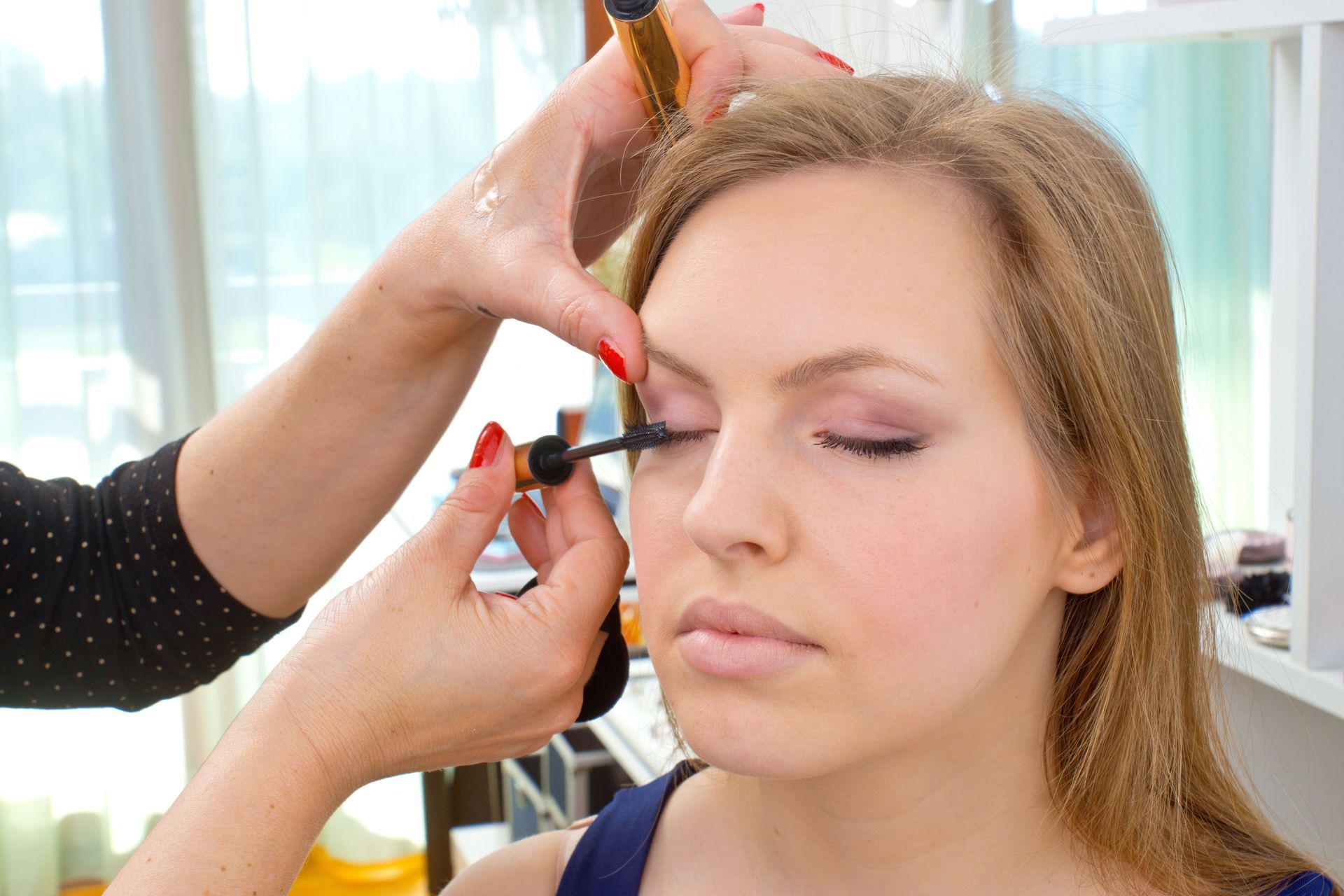
Before enrolling, it's important to understand that beauty education is not one-size-fits-all. Schools typically offer multiple programs designed to support different career paths, including cosmetology, esthetics, nail technology, barbering, and makeup artistry. Each option focuses on a specific set of skills and services, which means the curriculum, required training hours, and licensing outcomes can vary.
Cosmetology programs are often the most comprehensive, covering hair, skin, and nails in one course of study. These programs appeal to students who want flexibility in their future services or plan to work in full-service salons. Other programs narrow their focus, allowing students to complete training in a shorter timeframe while concentrating on a specific specialty. Reviewing program descriptions carefully and speaking with admissions advisors can help you choose training that aligns with your interests, strengths, and long-term goals.
Admissions Requirements and Enrollment Process
Most beauty schools have straightforward admissions requirements designed to make career education accessible. A high school diploma or GED is commonly required, along with proof of age eligibility based on state regulations. Some schools may ask for identification, immunization records, or residency documentation as part of the enrollment process.
In some cases, prospective students may participate in a brief interview, campus tour, or orientation session. These steps allow both the student and the school to confirm that the program is a good fit. Admissions staff often guide applicants through paperwork, scheduling, and next steps. This support can be especially helpful for those returning to school after time away or balancing education with work, family, or other responsibilities.
Financial Planning and Tuition Considerations
Understanding the financial commitment involved in beauty school is an important part of preparation. Tuition costs vary depending on program length, specialty, and location. In addition to tuition, students often need to budget for supplies such as kits, uniforms, textbooks, and exam fees. These items are essential to training and should be factored into the overall cost.
Many schools offer financial aid options, including federal aid for qualifying students, scholarships, grants, or payment plans. Meeting with a financial aid advisor allows you to review available resources, timelines, and repayment expectations. Planning ahead helps students focus on learning without unnecessary financial stress once classes begin.
Classroom Learning and Theoretical Instruction
The early phase of a beauty school program typically emphasizes theory and foundational knowledge. Students learn subjects such as sanitation and infection control, anatomy and physiology, chemistry, product ingredients, and state laws governing beauty services. While these topics may feel technical, they form the foundation of safe, responsible, and professional practice.
Classroom learning often includes lectures, demonstrations, textbooks, written assignments, and exams. Instructors connect theory to practical application, helping students understand why procedures are performed a certain way. This academic groundwork supports future hands-on training and plays a significant role in preparing students for state licensing exams.
Hands-On Training and Practical Experience
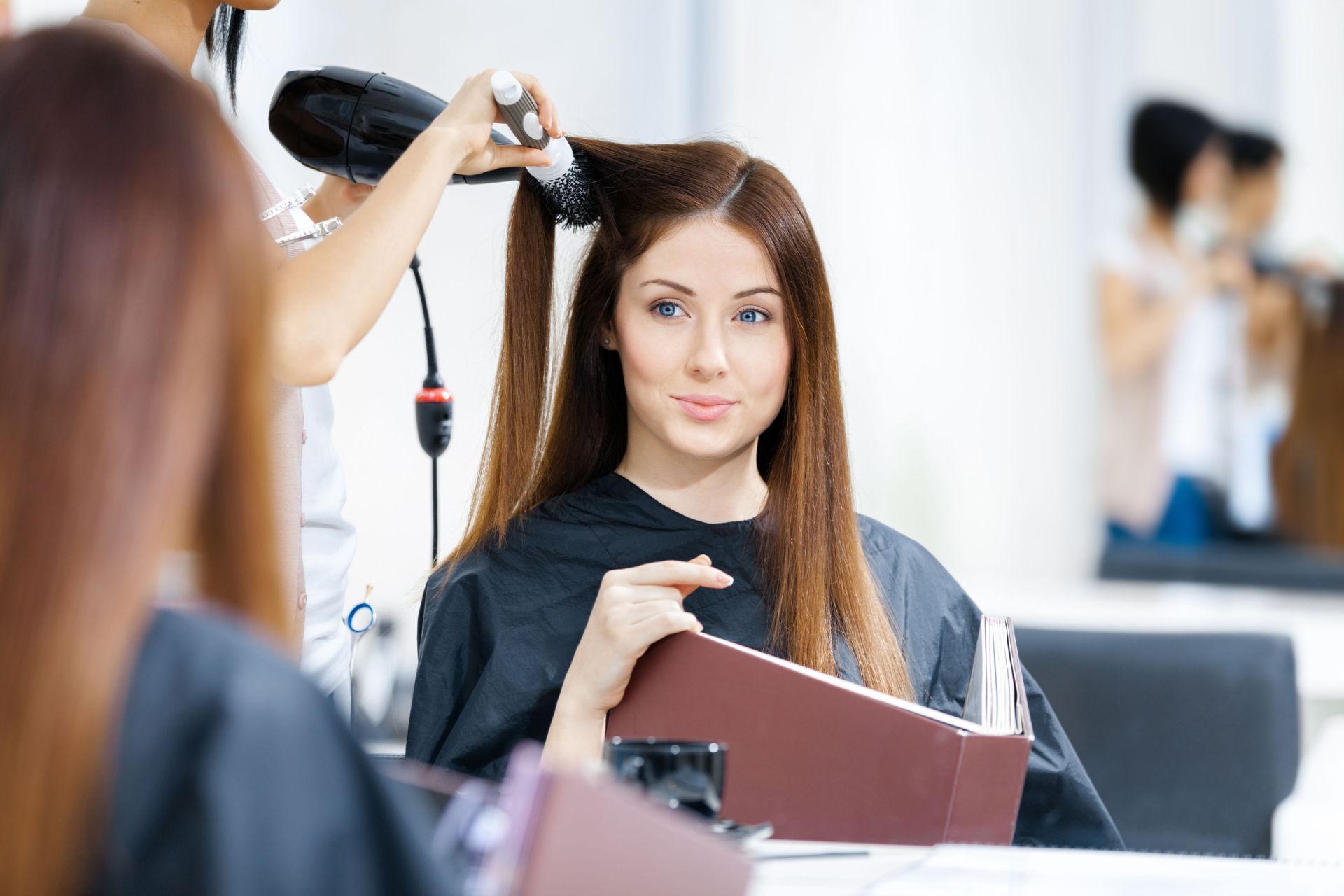
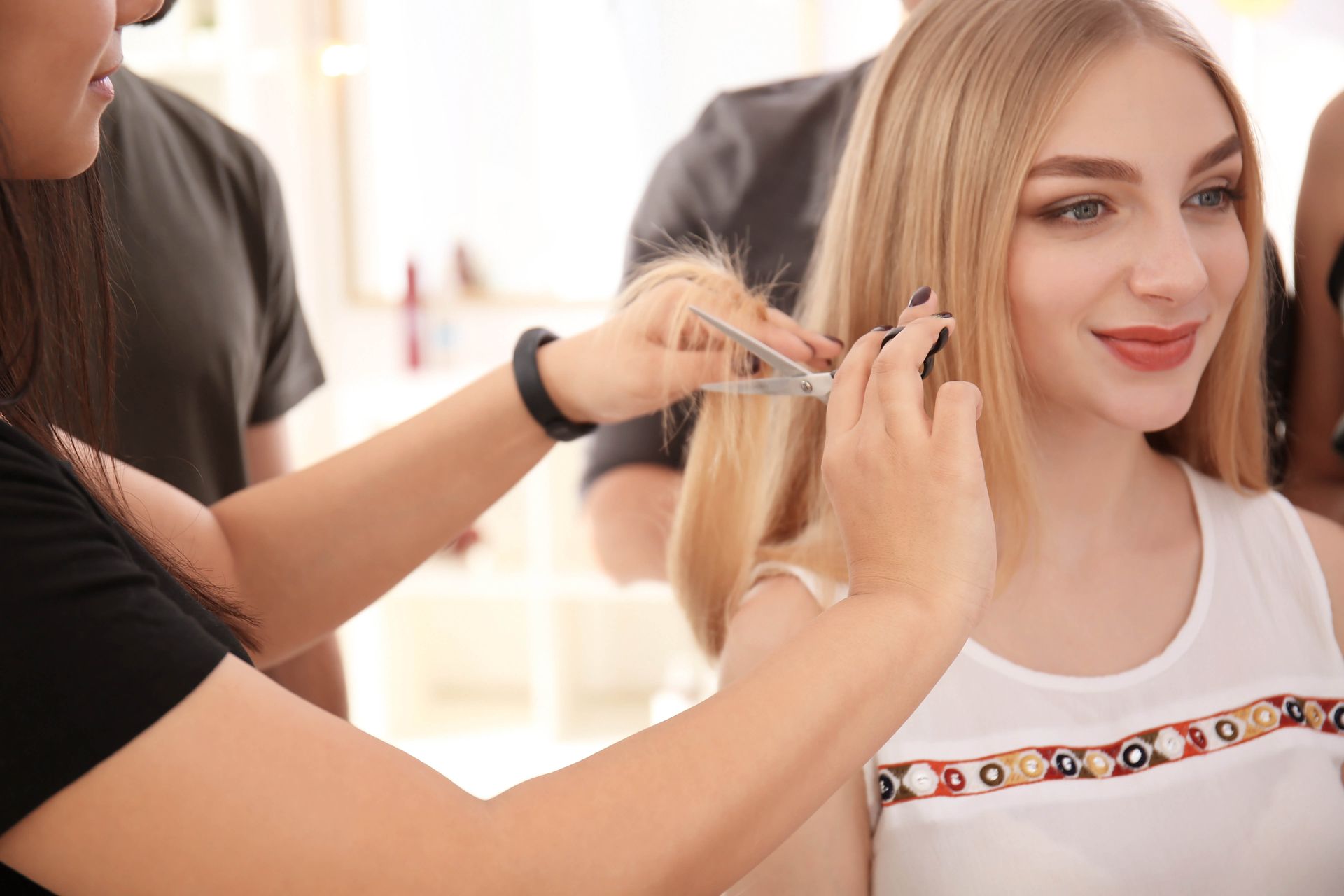
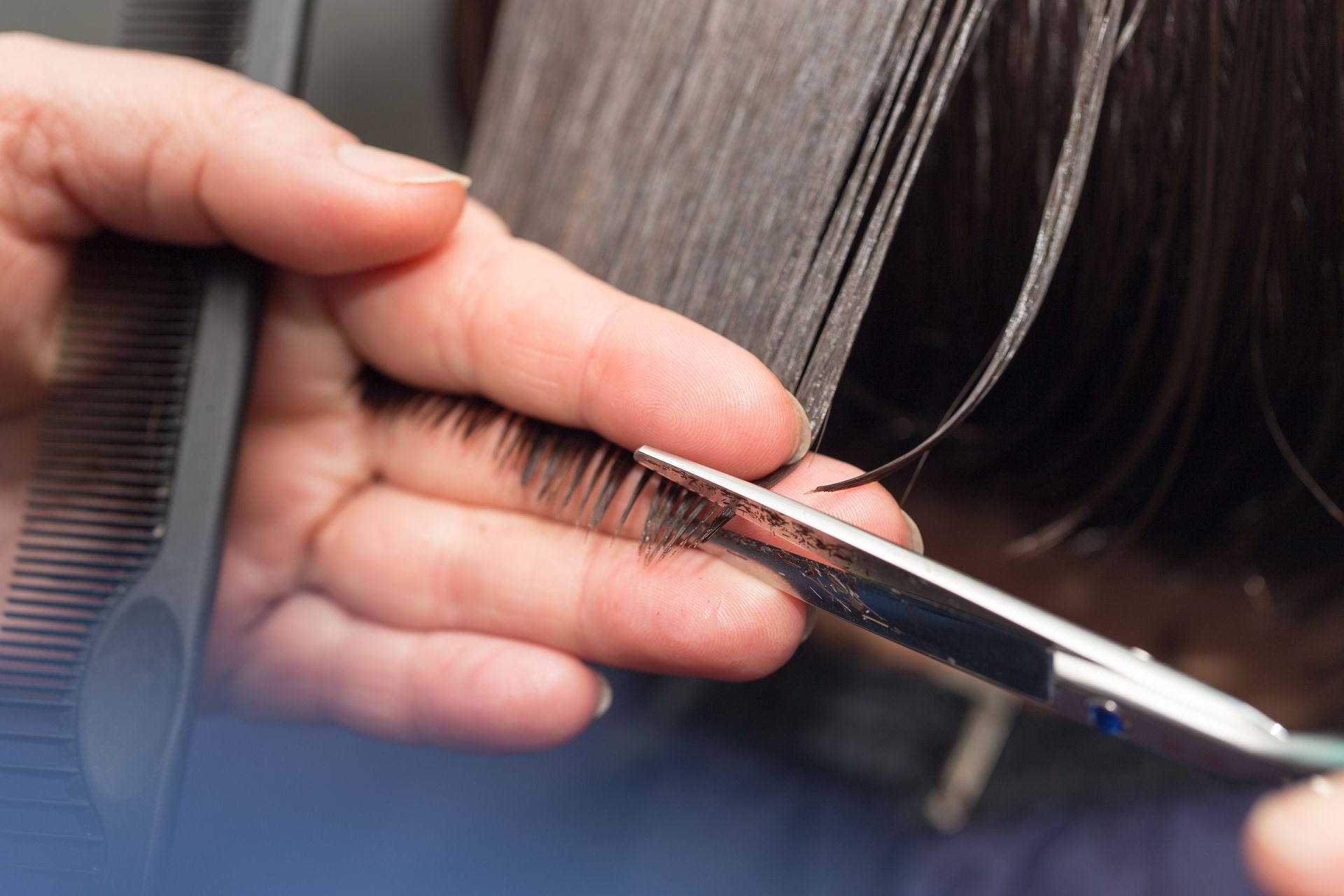
Hands-on learning is a defining feature of any beauty school experience. After building foundational knowledge, students begin practicing techniques on mannequins to develop coordination, accuracy, and confidence. As skills progress, students transition to working with real clients under instructor supervision.
Training salons are designed to reflect professional environments, complete with appointment scheduling, client consultations, and service protocols. Students learn how to manage time, communicate with clients, and adapt services to individual needs. This experience helps bridge the gap between classroom learning and real-world work, making graduates more comfortable entering professional settings.
Daily Schedule and Time Commitment
Beauty school programs require a consistent time commitment that mirrors professional expectations. Full-time students often attend classes during regular weekday hours, similar to a full workday. Part-time programs offer alternative schedules, such as evenings or weekends, to accommodate students with other obligations.
Attendance policies are typically strict because state licensing boards require a specific number of training hours. Missing time can delay graduation, so understanding expectations up front is important. Planning transportation, childcare, and work schedules in advance helps students stay on track and maintain steady progress throughout the program.
Learning Professional Conduct and Client Interaction
In addition to technical skills, students develop professional habits that shape their future careers. Communication, consultation techniques, and client care are emphasized throughout training. Learning how to listen to clients, explain services, and manage expectations builds trust and supports long-term client relationships.
Instructors also focus on punctuality, appearance, teamwork, and ethical conduct. These standards reflect real salon environments, where professionalism plays a key role in reputation and success. Practicing these behaviors during training helps students transition more smoothly into the workforce.
Exams, Assessments, and Skill Evaluations
Throughout the program, students complete written tests, practical demonstrations, and skill evaluations. These assessments track progress, reinforce learning, and highlight areas that need improvement. Regular feedback from instructors helps students refine techniques and build confidence over time.
Evaluations also prepare students for the structure of state licensing exams. Becoming familiar with testing formats, performance expectations, and time management reduces anxiety and helps students approach exams with greater confidence.
Preparing for State Licensing
Licensing is a required step for most beauty professionals. Requirements vary by state, but beauty school programs are structured to meet or exceed mandated training hours. Schools track attendance and completed coursework to confirm eligibility for exams.
Many programs include review sessions, mock exams, and practice demonstrations to support exam preparation. Passing the licensing exam allows graduates to legally practice their chosen profession and marks a major milestone in their career journey.
Career Pathways After Graduation
Graduates of beauty school programs pursue a wide range of career paths. Many begin working in salons, spas, or barbershops, while others explore freelance services, bridal work, product education, or retail roles. Some professionals eventually open their own businesses or continue their education to focus on advanced techniques.
According to Zippia, 92.6% of all cosmetologists are women, while 7.4% are men. This statistic reflects both the strong presence of women in the field and the growing range of individuals entering beauty careers from different backgrounds. Opportunities continue to expand as the industry evolves.
Enrolling in a beauty school program is an important step toward building a career rooted in creativity, skill, and client connection. From admissions and classroom learning to hands-on practice and licensing preparation, each stage supports both technical development and professional confidence. Understanding what to expect allows students to approach training with realistic expectations and a clear sense of direction.
Whether you're drawn to hairstyling, skincare, or another specialty, beauty school offers structured guidance and real-world experience that supports career readiness. If you're considering this path, reach out to Entourage Institute of Beauty and Esthetics! An admissions consultation can help you take the first step toward turning your interest into a profession.