November 7, 2026
Embarking on a career in styling, skin wellness, or hair design begins with quality education and practical preparation. Before making a major commitment, students should understand the academic rigor, salon environment, and industry dynamics that shape cosmetology training. Across the country, aspiring professionals are discovering how accredited beauty schools can transform an eye for style into a thriving professional career.
Understanding the Core Curriculum and Practical Training
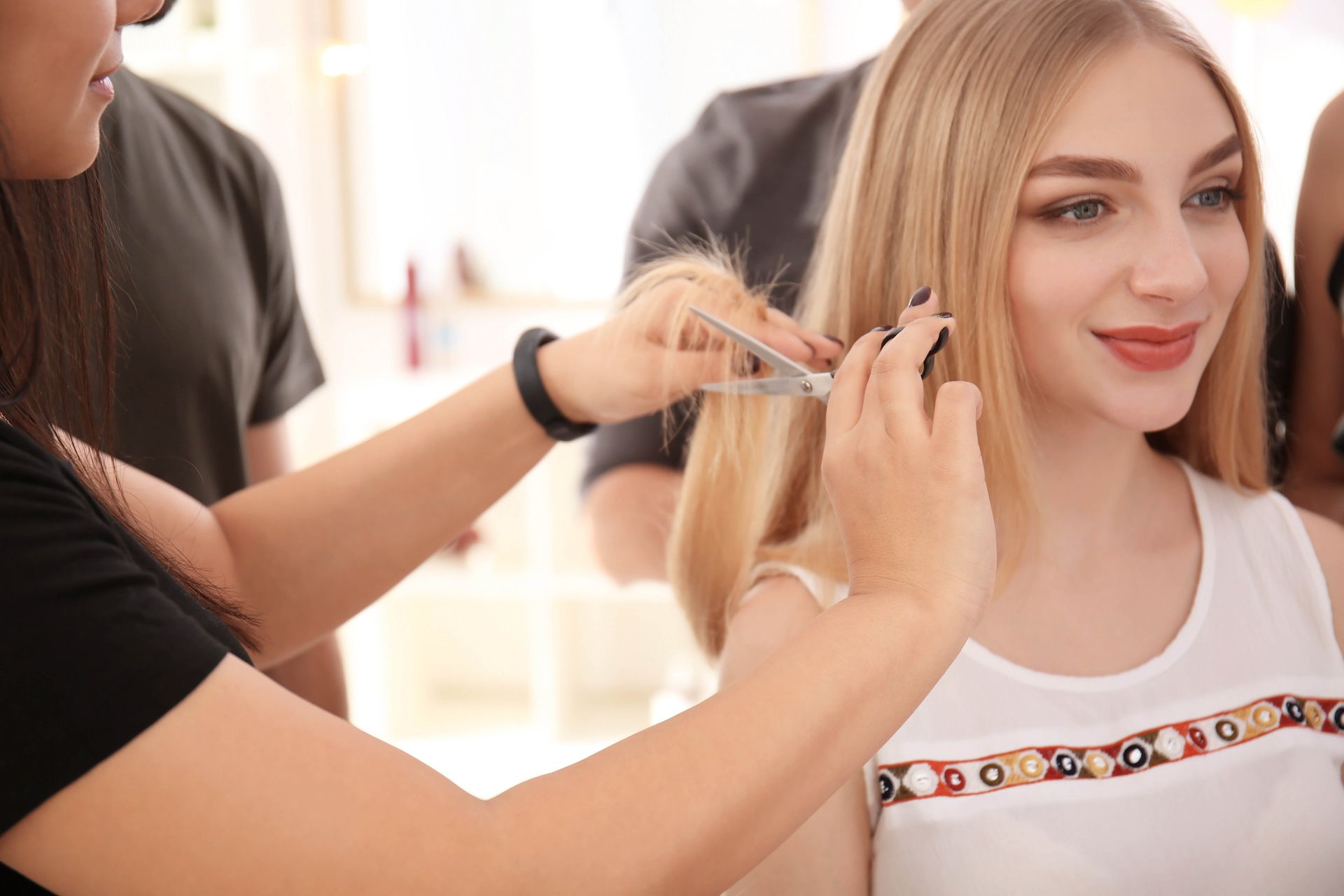
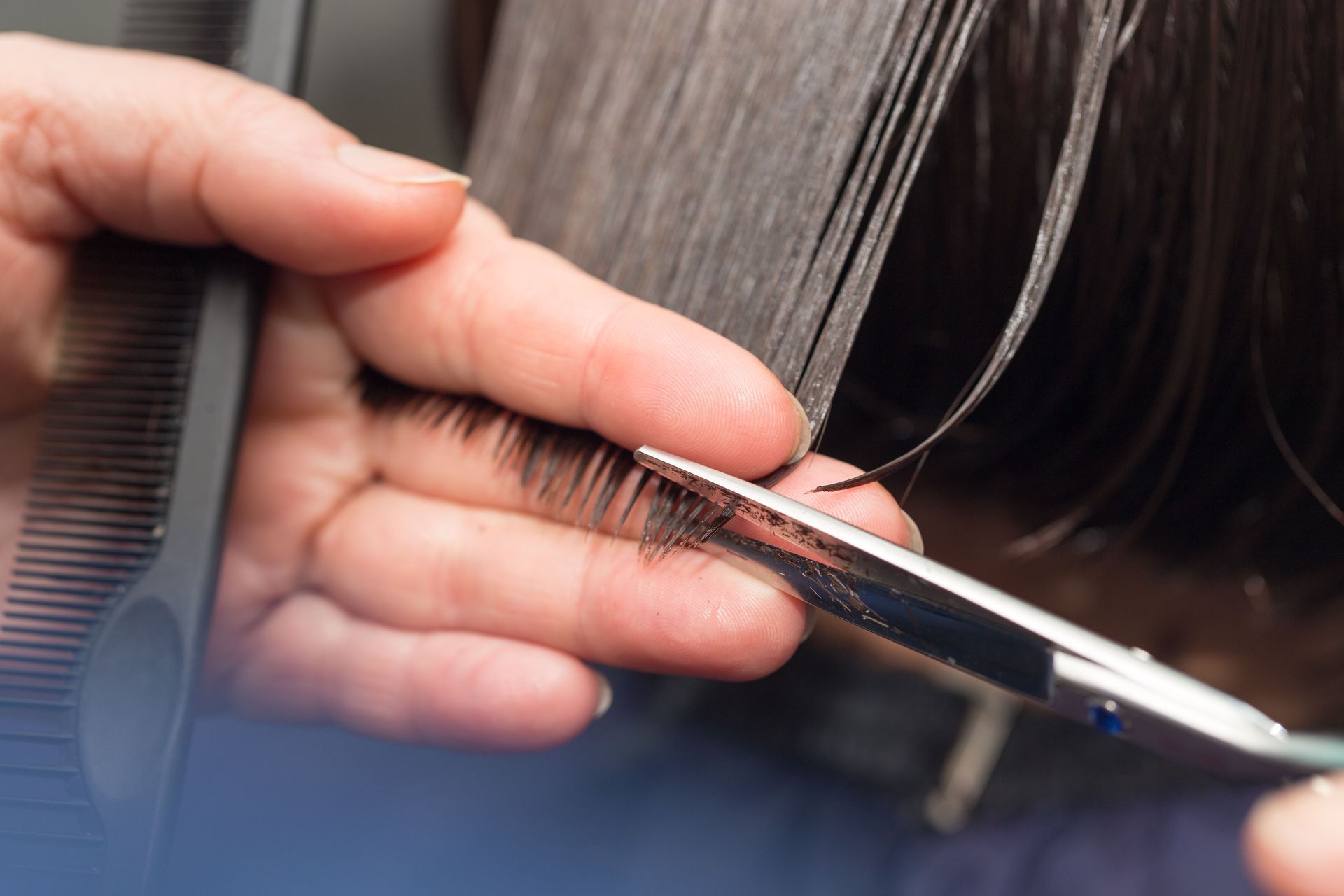
Cosmetology education begins with a balanced foundation of scientific principles and hands-on techniques. Coursework spans core topics like chemical texture treatments, hair cutting, color theory, skin anatomy, sanitation standards, and nail care. Classroom instruction provides theoretical knowledge, but real learning occurs when students practice on mannequins and transition to live models on the clinic floor. Hands-on client sessions teach students how to manage appointments, maintain sterile stations, and adapt to varying hair textures under licensed instructor supervision. Modern beauty schools design their coursework to reflect real-world salon environments, blending theory with intensive client-floor experience. Mastering this core curriculum ensures you meet state standards while gaining the confidence to handle diverse client requests with precision.
Exploring Specialized Tracks and Niche Programs
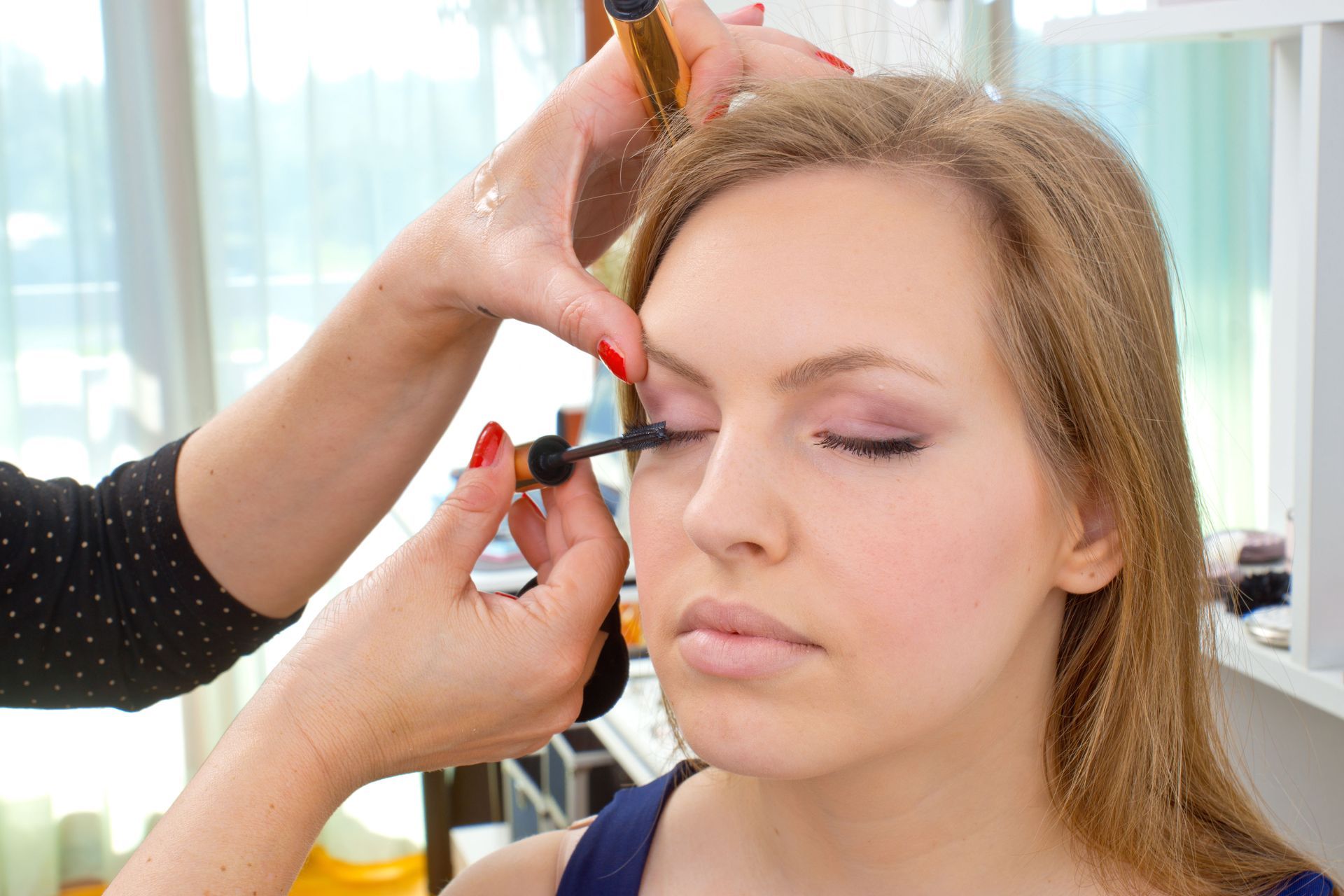
While a general cosmetology program covers hair, skin, and nails, many students find fulfillment by specializing in specific beauty disciplines. Specialized education paths, such as advanced esthetics, medical spa therapies, editorial makeup artistry, lash extensions, and barbering, allow you to sharpen your expertise in high-demand segments. Niching down early helps build a distinct brand identity before entering the job market. According to IBISWorld, the cosmetology and beauty schools industry in the United States includes 1,326 businesses. This vast educational landscape means prospective students have the flexibility to seek out programs catering directly to their specific ambitions. Finding a program that matches your creative passion ensures you stay motivated throughout your studies and graduate with specialized skills that command premium rates.
Assessing the Time Commitment and Schedule Flexibility
Completing a beauty education demands dedication and disciplined time management. Program duration varies by discipline and state licensing laws, typically requiring 1,000 to 1,600 clock hours. Full-time students often finish training in nine to twelve months, while part-time tracks can extend from eighteen to twenty-four months. To support students who work or care for families, leading beauty schools often offer flexible day, evening, and weekend class schedules. Before enrolling, review your weekly obligations to choose a format that fits your lifestyle. Maintaining consistent attendance is critical because state licensing boards strictly monitor mandated clock hours. Falling behind on hours can delay graduation and postpone licensure examinations.
Calculating True Program Costs and Equipment Expenses
Investing in professional training involves costs beyond baseline tuition figures. Prospective students must budget for registration fees, certification costs, textbooks, uniforms, and mandatory professional student kits. Cosmetology and esthetics kits contain professional shears, clippers, blow dryers, mannequin heads, skincare implements, and makeup palettes required for daily coursework. These kits represent an upfront expense, but they supply the essential tools you will use throughout your early career. In addition to educational materials, factor in living expenses, transportation, and potential loss of daytime employment wages. Mapping out these combined expenditures prevents financial surprises and keeps your focus firmly on your studies.
Navigating Financial Aid and Scholarship Opportunities
Paying for your education is achievable when you explore the broad spectrum of funding options available. Accredited beauty schools frequently participate in federal financial assistance programs, allowing qualifying candidates to access grants and loans. Start by filling out the Free Application for Federal Student Aid (FAFSA) to explore eligibility for Pell Grants, which do not need to be repaid. Additionally, major beauty brands, professional salon associations, and foundations offer industry scholarships designed to support promising new talent. Many academies also provide institutional payment plans that distribute tuition costs evenly across the program. Applying early for scholarships and consulting with institutional financial aid advisors can dramatically reduce out-of-pocket expenses.
Developing Technical Artistry and Customer Service Skills
Technical proficiency with shears, brushes, and chemical formulas represents only half the equation for a sustainable beauty career. Long-term industry success relies heavily on interpersonal communication, emotional intelligence, and customer service expertise. Beauty professionals operate in close proximity to clients, requiring active listening skills to decipher preferences and ease anxieties during consultations. Furthermore, physical stamina, posture ergonomics, and efficient time management are indispensable when managing multiple appointments throughout a workday. Cultivating an empathetic chairside manner, practicing punctual service delivery, and resolving client concerns gracefully build the trust necessary to turn first-time visitors into loyal, recurring clientele.
Reviewing State Licensing and Accreditation Requirements
Graduating from an educational program does not automatically grant you the legal right to practice professionally. Every state establishes distinct board requirements regarding practical examination passing rates, jurisprudence tests, and completed classroom hours. Because state board requirements vary nationwide, reputable beauty schools ensure their hour quotas align with state regulatory expectations. Institutional accreditation from recognized agencies, such as the National Accrediting Commission of Career Arts and Sciences (NACCAS), serves as a benchmark for educational quality. Verifying that a prospective institution meets both national standards and regional licensing prerequisites guarantees that your earned hours count toward state board licensure.
Utilizing Job Placement and Professional Networking
Bridging the gap between graduation and full-time employment requires strategic networking and institutional support. Comprehensive beauty schools maintain strong relationships with local salons and spas to streamline job placement for upcoming graduates. Quality institutions host student showcase events, employer career fairs, resume drafting workshops, and mock interview sessions to prepare candidates for hiring managers. In addition to campus career services, build personal relationships with guest lecturers, brand educators, and your peer cohort. Attending trade shows, joining beauty associations, and maintaining an active professional portfolio on social media will expand your circle and open doors to salon chair rentals, spa commissions, or editorial opportunities.
Touring Facilities and Evaluating Campus Culture
Marketing materials and online brochures provide helpful overviews, but touring campuses in person reveals the true environment of an institution. When visiting prospective beauty schools, pay close attention to classroom cleanliness, student interactions, and workstation quality. Walk through the student salon floor to observe how educators interact with learners during active client services. Are instructors approachable, attentive, and constructive with feedback? Do current students appear engaged and enthusiastic about their projects? Speaking with current attendees and recent alumni offers candid insights into the educational climate, equipment maintenance, and administrative support. Selecting a campus where you feel inspired and supported will significantly enhance your learning experience.
Setting Realistic Career Expectations and Business Goals
Transitioning into the personal care sector offers high earning potential and artistic freedom, but building a client roster takes patience and sustained effort. Entry-level practitioners often start as salon assistants, junior stylists, or commission technicians while establishing their technical rhythm and building reputation. Cultivating repeat business requires continuous client outreach, personal branding, marketing on social platforms, and continuing education in trend-driven styling techniques. Many beauty professionals eventually transition into salon ownership, freelance artistry, product development, or education as their portfolios expand. Approaching your career with realistic financial expectations, business discipline, and clear milestones establishes the foundation for an enduring and prosperous future.
Enrolling in cosmetology training is a transformative step toward building an inspiring, flexible, and financially viable profession. By evaluating curricula, planning finances, understanding hour commitments, and choosing an institution that nurtures your creative voice, you can confidently turn your passion into a lifelong trade. If you are ready to take the first step toward an exceptional future in hair design, skincare, and personal wellness, contact the admissions team at Entourage Institute of Beauty and Esthetics to explore programs, schedule a personalized campus tour, and start your enrollment application today.