June 26, 2026
Choosing a career in the beauty industry offers the opportunity to combine creativity, technical skill, and personal interaction in a rewarding profession. Hairstylists play an important role in helping clients look and feel their best while providing services that require both artistry and precision. For many aspiring professionals, the journey begins with formal training. While enthusiasm for hair and beauty can be a valuable starting point, success in the industry requires much more than passion alone. Students must develop technical abilities, professional habits, communication skills, and a commitment to ongoing learning.
A quality hair program provides the foundation necessary to transform beginners into confident professionals. Through a combination of classroom instruction, practical training, and real-world experience, students gain the knowledge needed to perform services safely and effectively. However, excelling in a program requires dedication and effort. Students who actively engage in learning opportunities, practice consistently, and embrace feedback often position themselves for greater success. Understanding the key elements that contribute to growth can help aspiring stylists maximize their education and prepare for a successful career in the beauty industry.
Building Strong Technical Skills
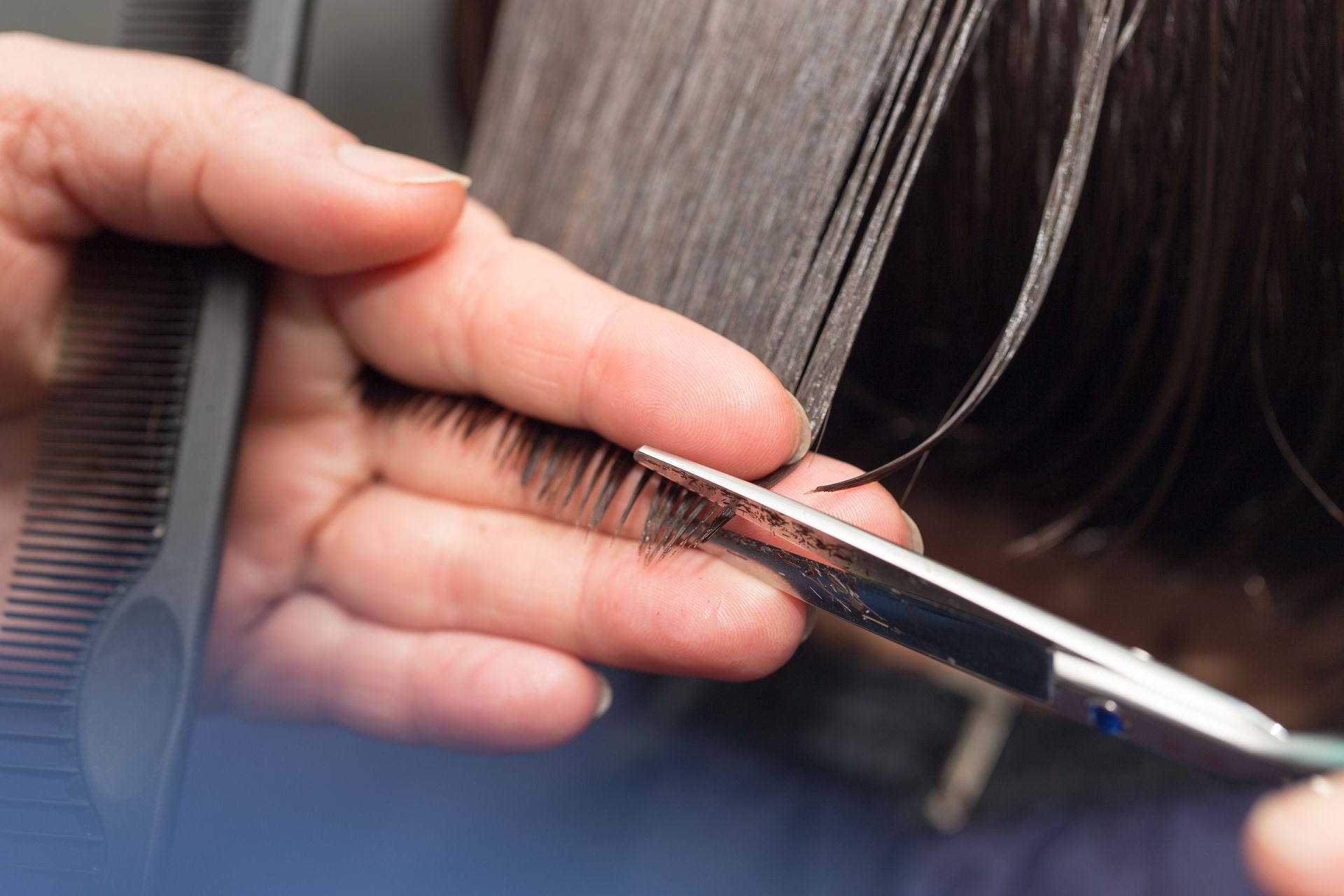
Technical skills form the backbone of every successful hairstyling career. Students entering a hair program are introduced to essential techniques such as haircutting, coloring, chemical services, styling, shampooing, and hair treatments. Learning these skills requires patience and repetition because even simple services involve multiple steps and careful attention to detail. As students become more comfortable using professional tools and products, they begin to develop the precision necessary for consistent results. Mastering these foundational techniques creates a strong base for advanced services and allows students to build confidence as they progress through their education and practical training experiences.
Practice plays a critical role in technical development. Each haircut, color application, and styling session provides an opportunity to improve accuracy and efficiency. Students learn how factors such as sectioning, elevation, tension, and product selection affect the final outcome. Over time, repeated practice helps transform basic techniques into professional habits. Strong technical skills not only improve service quality but also provide the confidence needed to work successfully with future clients. Consistent hands-on experience helps students become more adaptable, refine their problem-solving abilities, and develop the professional judgment required to achieve reliable results in a variety of salon situations.
Developing Effective Communication Skills
Hairstyling is a people-focused profession, making communication an essential part of the learning process. Clients often arrive with specific goals, inspiration photos, concerns, or questions about their hair. Stylists must be able to listen carefully, gather information, and explain recommendations clearly. Students who develop strong communication skills early in their training are often better prepared to create positive client experiences.
Effective communication also helps manage expectations. A stylist should be able to discuss realistic results, maintenance requirements, service timelines, and product recommendations before beginning a service. These conversations help build understanding and reduce misunderstandings. During a hair program, students have opportunities to practice consultations and client interactions that prepare them for professional salon environments where communication is just as important as technical ability.
Understanding Hair and Scalp Health
Modern clients are increasingly interested in maintaining healthy hair and scalp conditions in addition to achieving attractive styles. This makes foundational knowledge about hair structure, scalp health, and product ingredients an important part of professional education. Students learn how various services, environmental factors, and daily habits affect the condition of the hair. This knowledge allows future stylists to provide informed recommendations based on individual client needs.
According to Highlight, 93% of consumers in 2026 report that hair health is important to them, with 56% expressing strong agreement. This growing emphasis on hair wellness highlights the value of comprehensive education. A strong hair program helps students understand how to balance beauty goals with healthy hair practices. By learning how to evaluate hair condition and recommend appropriate treatments, students can provide services that support both appearance and long-term hair health.
Strengthening Time Management Habits
Time management is an important skill that often develops gradually throughout professional training. Students frequently spend more time performing services while learning techniques and building confidence. As their skills improve, they learn how to complete services more efficiently without sacrificing quality. Understanding how to manage appointments, organize supplies, and follow service timelines becomes increasingly important as students prepare for professional work environments.
Strong time management benefits both stylists and clients. Efficient scheduling helps reduce delays and creates a smoother overall experience. Students who learn how to balance speed with precision are often better prepared for the pace of salon operations. Developing these habits during training allows future professionals to build productivity while maintaining attention to detail and customer satisfaction.
Learning Professional Sanitation Practices
Sanitation and safety are fundamental responsibilities in the beauty industry. Every service involves direct contact with clients, making cleanliness a top priority. Students learn how to sanitize tools, disinfect workstations, handle products properly, and follow industry regulations designed to protect both clients and professionals. These practices help create a safe and professional environment for everyone involved.
A quality hair program emphasizes that sanitation is not simply a requirement for passing exams. It is an essential part of daily professional practice. Clients expect clean tools, organized workstations, and careful attention to hygiene. By developing strong sanitation habits during training, students establish standards that can support their reputations and contribute to long-term professional success.
Building Confidence Through Experience
Confidence is not something students develop overnight. It grows through experience, practice, and continued learning. Many aspiring stylists feel nervous when performing services for the first time, especially when working with clients rather than mannequins. This uncertainty is a natural part of the learning process and often decreases as students gain more hands-on experience.
Each completed service provides an opportunity to learn and improve. Constructive feedback from instructors helps students identify strengths while addressing areas that need additional attention. As skills become more refined, students often gain greater confidence in their abilities. A supportive hair program creates opportunities for growth by encouraging students to challenge themselves while continuing to build competence and professionalism.
Preparing for Long-Term Career Success
Education should prepare students not only for graduation but also for long-term professional growth. The beauty industry continues to evolve as new products, techniques, technologies, and trends emerge. Successful stylists understand the importance of continuing education and remaining open to new learning opportunities throughout their careers. Developing this mindset during training can help students remain adaptable and competitive.
Career preparation also includes understanding professionalism, customer service, personal presentation, and workplace expectations. Students may pursue a variety of career paths, including salon work, specialty services, platform artistry, education, or business ownership. A hair program helps students build the foundation needed to explore these opportunities while developing the skills and confidence necessary for long-term success in the beauty industry.
Excelling in a beauty education program requires dedication, practice, professionalism, and a commitment to continuous improvement. From developing technical skills and communication abilities to understanding hair health, managing time effectively, maintaining sanitation standards, building confidence, and preparing for future career opportunities, every aspect of training contributes to professional growth. A strong hair program provides the knowledge and experience students need to move from aspiring beauty professionals to confident stylists ready to serve clients. If you are ready to begin your journey from student to stylist, contact Entourage Institute of Beauty and Esthetics today.