June 11, 2026
Stepping into the beauty industry requires a balance of creative vision, technical mastery, and personal confidence. Aspiring beauty professionals often look for the right environment to transform their passion into a sustainable career. Enrolling in a comprehensive hair school provides a structured platform where students can develop these essential attributes.
By combining classroom theory with hands-on practice, these institutions help students transition from basic enthusiasts into capable stylists. This guide explores the foundational building blocks of an advanced beauty education and shows how hands-on experience prepares students for real-world salon environments.
Masterfully Structuring the Educational Foundations
A well-rounded cosmetology curriculum covers both foundational concepts and cutting-edge design methods. Students begin by learning essential hair properties, texturizing methods, and hair safety guidelines. As they move forward, they learn modern styling concepts that are currently trending in the beauty industry.
Attending a structured hair school ensures that students study modern methods, keeping their knowledge fresh and relevant. This balanced technical foundation prepares graduates to adapt easily to the fast-moving beauty market.
Understanding Hair Anatomy and Biological Structures
Learning the biological structure of hair and skin is a necessary part of a complete cosmetology education. Students explore the anatomy of hair follicles, scalp layers, and natural growth cycles to understand how hair responds to different treatments.
Knowing the science behind the hair shaft helps future stylists choose the safest chemical lighteners, relaxers, and waving solutions for their clients. This scientific training allows professionals to give personalized care tips that protect the health and integrity of the client's hair.
Practicing Precision Styling and Cutting
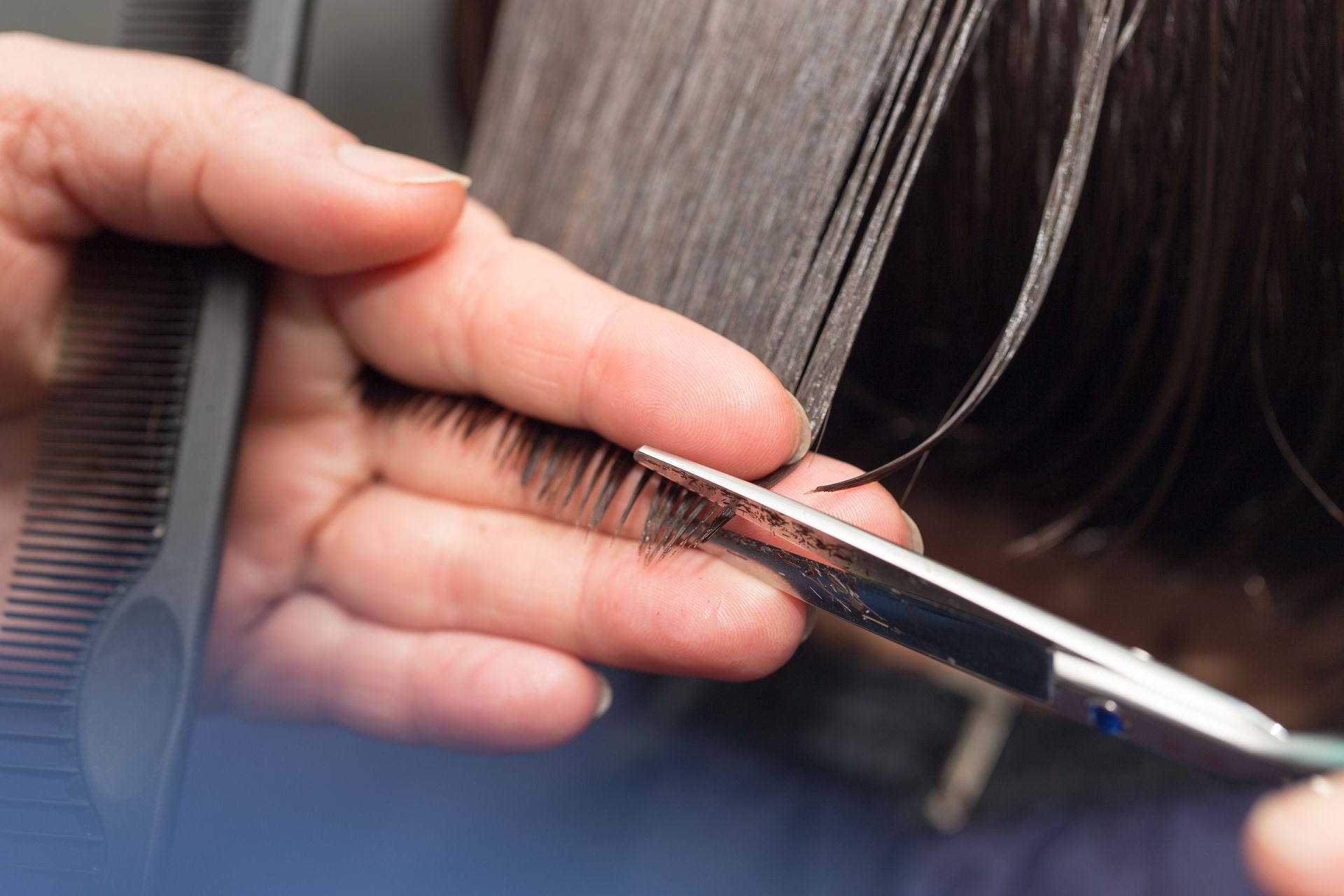
Developing precise cutting and styling habits is essential for any successful beauty professional. Students spend hours mastering specialized finger placement, sectioning methods, and scissor control to create balanced, repeatable shapes.
Learning how to adapt techniques for straight, wavy, curly, and coily textures ensures that a stylist can confidently serve any client who walks into the salon. Refine your cutting habits early; according to market data from Trafft, haircutting and styling tasks generate 62% of a standard salon's total revenue.
Demystifying Color Theory and Advanced Formulations
An essential part of beauty training is mastering color theory and advanced product formulation. Students spend time studying the color wheel, underlying pigments, and developer strengths to predict exactly how hair color will process.
Learning how to neutralize unwanted tones and blend seamless highlights allows students to create beautiful, customized looks. This advanced knowledge removes the guesswork from color corrections and gives stylists the confidence to handle complex color requests.
Developing Essential Business and Client Management Skills
Long-term success in the beauty industry requires strong business habits alongside creative talent. Cosmetology programs teach vital skills like booth rental budgeting, salon marketing, social media branding, and product retail sales.
Students learn how to manage appointment schedules, calculate service profits, and build lasting client relationships. Developing this professional business insight prepares graduates for future management roles or independent salon ownership.
Building Hands-On Skills Through Regular Practice
Attending live presentations and technical workshops allows students to watch experienced educators work in real time. These instructional sessions break down complex techniques—such as seamless balayage painting or precise clipper fading—into simple, easy-to-follow steps.
Watching an expert handle tools and manage hair tension helps students learn subtle movements that are difficult to grasp from a textbook alone. These workshops often include interactive practice blocks where students immediately try the techniques under direct supervision.
Navigating Supervised Student Salon Practice Sessions
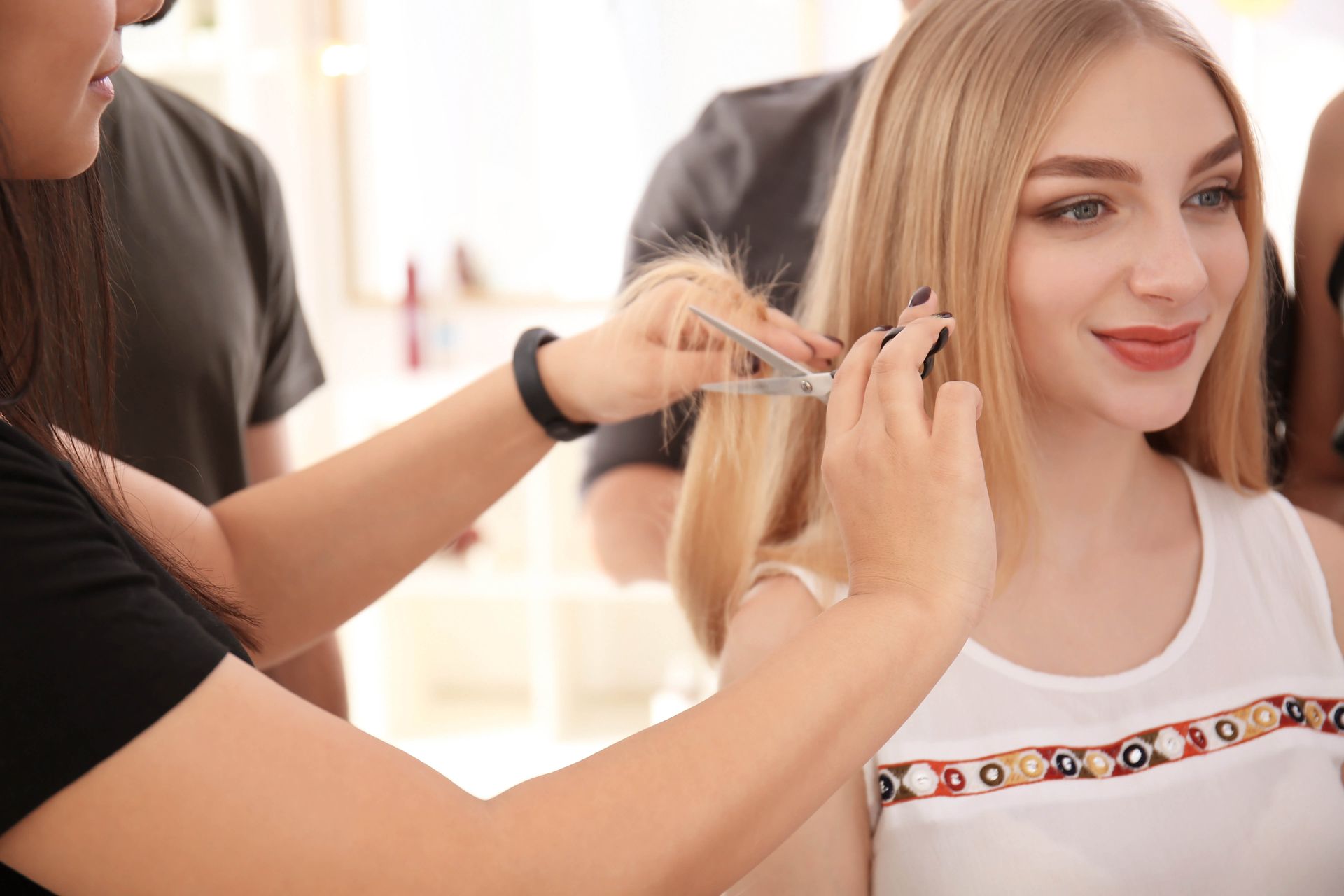
Supervised practice on the student salon floor is a critical milestone during hair school training. Working on mannequin heads and live models under instructor guidance allows students to build muscle memory without salon pressure.
Instructors stand nearby to offer helpful tips, correct hand posture, and guide students through challenging steps. This safe, supportive environment allows future stylists to perfect their timing and build confidence before graduation.
Simulating Real Salon Scenarios
To prepare students for fast-paced beauty careers, schools use realistic scenario-based learning exercises. These interactive simulations challenge students to perform complete consultations, solve sudden formulation issues, and work efficiently under strict time limits.
Learning to adapt to unexpected situations builds critical thinking and situational awareness. This specialized training bridges the gap between practice and professional performance, ensuring that graduates feel steady and composed during busy salon shifts.
Utilizing Modern Salon Equipment
Familiarizing yourself with modern, state-of-the-art styling tools is a key part of your technical training. Students use premium blow dryers, specialty flat irons, and advanced color processing lamps during their daily lessons.
Learning the settings, attachments, and maintenance routines for these professional tools ensures that students can seamlessly join modern salon teams. Using commercial-grade equipment helps future stylists work efficiently and deliver high-quality results.
Assembling a Professional Visual Portfolio
Creating a clean, diverse photographic portfolio is a vital project for every cosmetology student. Documenting your best haircuts, color transformations, and formal updos creates a visual resume that showcases your artistic range to potential employers.
Hair school instructors teach students how to photograph hair from the best angles and use clean lighting to highlight their work. A well-organized portfolio demonstrates your skill level and passion during job interviews and local networking events.
Gaining Unwavering Confidence Through Ongoing Evaluations
Receiving direct feedback from experienced instructors is an essential part of growing as a stylist. Detailed evaluations help students find areas where they can improve their posture, tension, or blending techniques.
Educators offer practical advice that helps students master tricky cutting angles while boosting their creative confidence. Embracing these professional critiques builds a growth mindset, helping future stylists adapt quickly to industry expectations.
Participating in Mock Practical Evaluations
Taking part in realistic mock evaluations and practice exams is the ultimate preparation for entering the workforce. These timed assessments mimic real licensing standards, checking both technical execution and strict sanitation habits.
Practicing under test conditions helps students manage high-pressure situations and maintain a clean, organized station. The results from these mock tests show students exactly what skills they need to practice before finishing their hours.
Connecting With Industry Trends and Professional Networks
Inviting successful salon owners, color specialists, and product ambassadors to give guest lectures adds real-world context to your education. These visiting industry professionals share their career stories, show off signature styling methods, and give inside tips on how to succeed in modern salons.
Interacting with guest speakers expands a student's view of the beauty world, highlighting varied career paths like editorial styling, platform artistry, or corporate education.
Securing Local Salon Internship Placements
Completing a salon internship or assistant placement is an excellent way to transition smoothly from hair school to a permanent job. Many beauty programs partner with local salons to let students observe daily business operations firsthand.
Assisting senior stylists with mixing color, greeting guests, and preparing stations provides a realistic look at modern salon culture. These real-world experiences help students develop a professional demeanor and build valuable connections that often lead to full-time employment after graduation.
Choosing a comprehensive hair school over short, unstructured workshops is the most effective path toward building a thriving beauty career. Committing to a complete training program ensures that you learn safe chemical handling, precise cutting systems, and necessary salon business strategies under professional guidance. Investing in your education protects your future career options, builds your technical confidence, and prepares you to pass your licensing exams easily.
When you are ready to invest in your future, refine your creative talents, and learn from experienced industry educators, picking an established institution ensures excellent results. Enroll in the Entourage Institute of Beauty and Esthetics to handle your upcoming cosmetology coursework, practical styling hours, and professional beauty training needs with complete precision. Utilizing structured, hands-on learning methods stabilizes your creative career path, providing you with a supportive, modern, and perfectly equipped learning environment that helps you build a rewarding and successful lifestyle in the modern beauty industry.