May 22, 2026
Embarking on a journey in the beauty and wellness industry is an exciting endeavor filled with creativity and personal growth. For those passionate about skincare, the path to becoming a professional involves learning anatomical knowledge, product chemistry, and treatment protocols. While reading textbooks and watching instructional videos lay a necessary foundation, theoretical knowledge alone cannot fully prepare a student for the realities of the treatment room. The human body is incredibly complex, and skin is a dynamic organ requiring a deeply nuanced approach. This is exactly where the true value of experiential learning comes into play. When evaluating your educational options, finding an esthetician program that prioritizes physical practice is crucial. Engaging directly with the materials, tools, and human subjects bridges the gap between knowing a theoretical concept and successfully executing a professional service. By prioritizing tactile learning environments, students cultivate the intuitive understanding required to thrive. True mastery in this field is forged not just in the mind, but in the hands.
Developing Confidence Through Practical Application
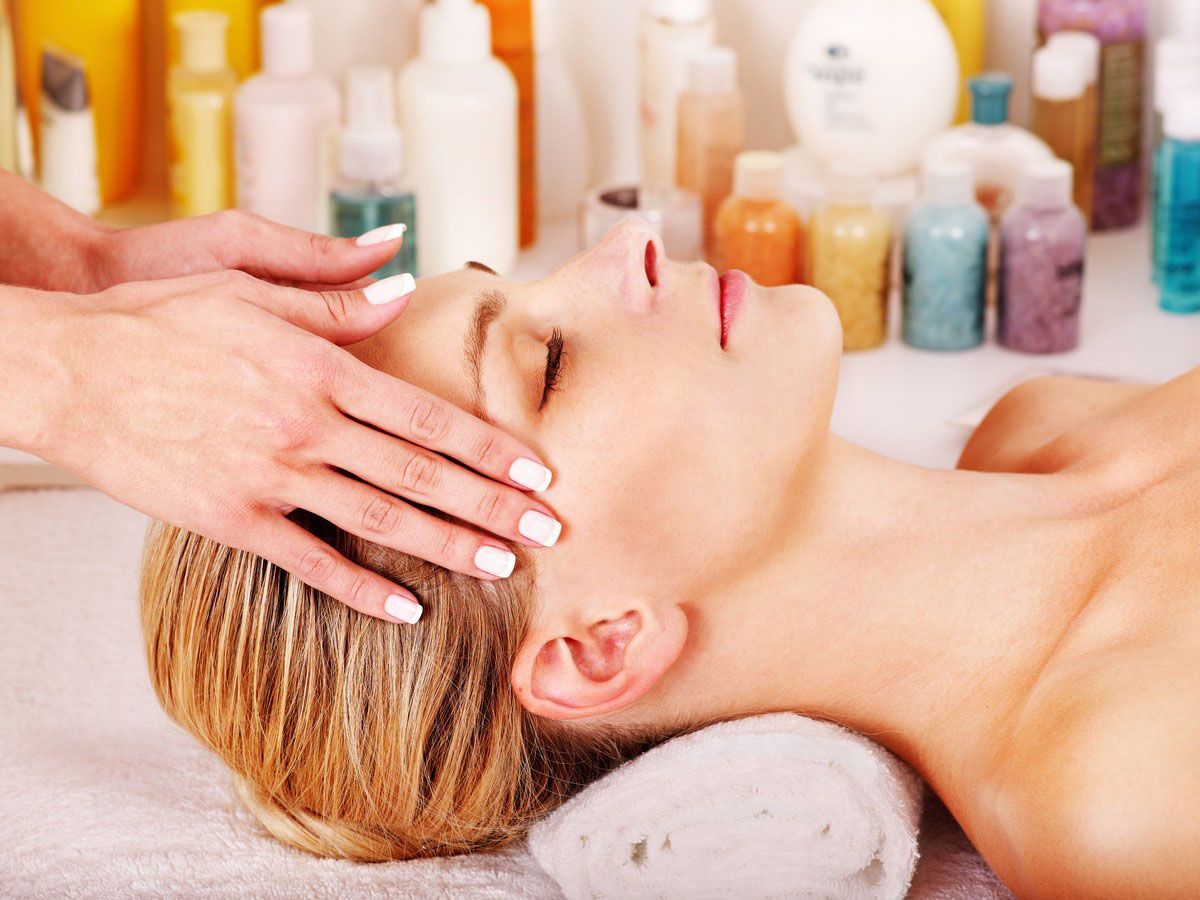
One of the most significant hurdles any new student faces is the initial hesitation of performing a service on another person. Reading about a facial massage technique is vastly different from feeling the contours of a client's face and adjusting your hand pressure accordingly. An effective esthetician program ensures that students overcome this barrier early in their education by encouraging consistent, supervised practice. As learners repeatedly perform treatments, their physical movements transition from robotic and uncertain to fluid and purposeful. Confidence is a crucial component of any spa service; clients can immediately sense whether their service provider is self-assured or anxious. When students are given ample opportunities to practice, they build a deep reservoir of self-belief. This self-assurance extends far beyond physical execution; it permeates how professionals recommend home care products and design personalized treatment plans. Those who immerse themselves in hands-on learning step into the professional world as highly capable practitioners ready to deliver exceptional results.
Mastering Techniques Through Direct Experience
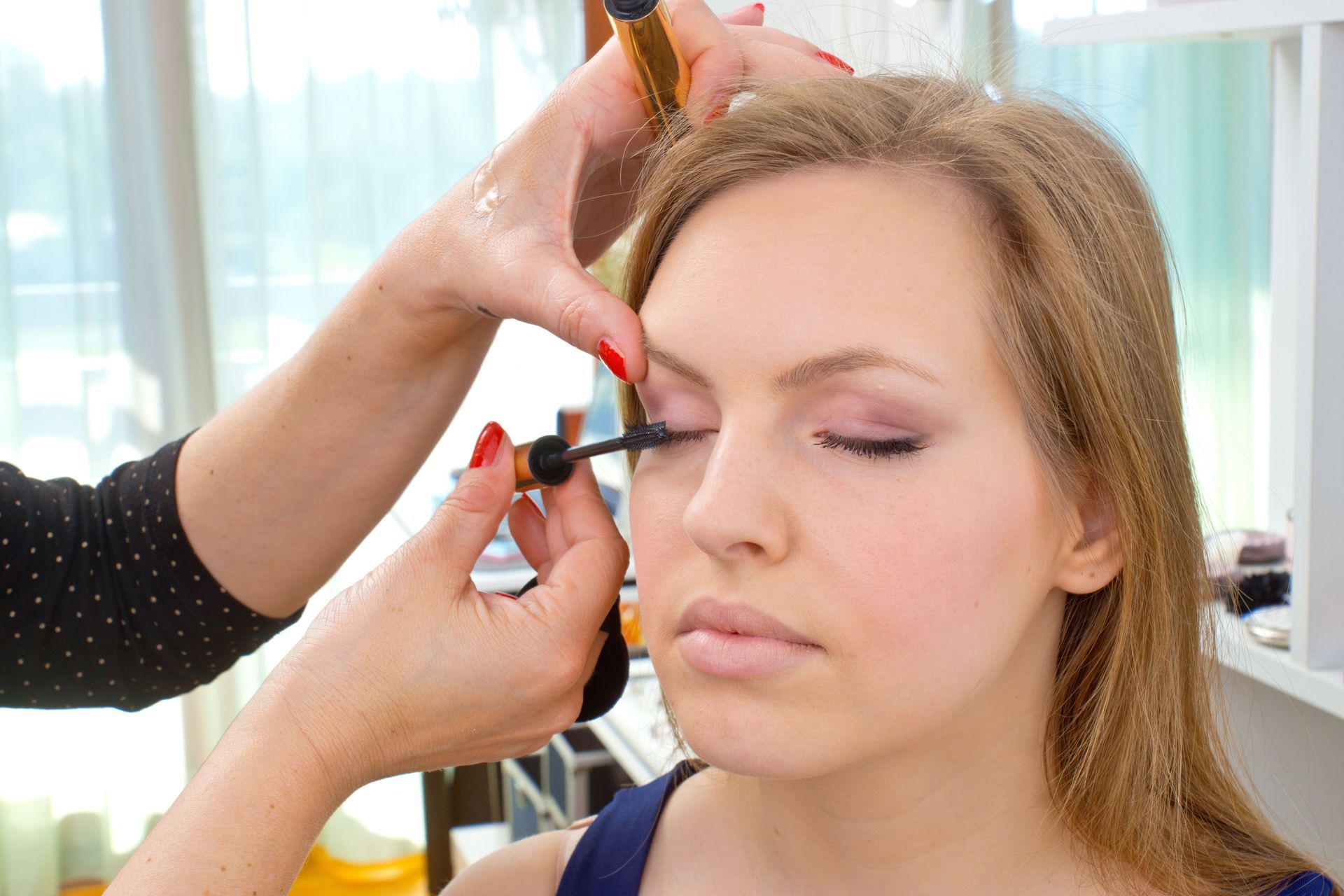
The beauty industry relies heavily on precision, dexterity, and highly refined motor skills. Whether applying a chemical peel, performing extractions, or executing a delicate waxing service, the margin for error is small. Mastery of these physical skills cannot be achieved through observation alone; it demands frequent repetition under the watchful eye of experienced educators. Through direct experience, students in a comprehensive esthetician program develop essential muscle memory. Their hands learn the exact angle required for a waxing spatula and the rhythmic flow of a soothing massage. This tactile repetition ingrains physical movements until they become second nature to the practitioner. Furthermore, working with various products provides essential insights into consistency, absorption rates, and chemical reactions. A textbook might describe the viscosity of a serum, but feeling how it glides and sets on the skin provides an invaluable layer of comprehension. Students learn to adapt their techniques based on immediate tactile feedback, adjusting their approach to maximize efficacy while ensuring client comfort.
Understanding Clients Through Real Interactions
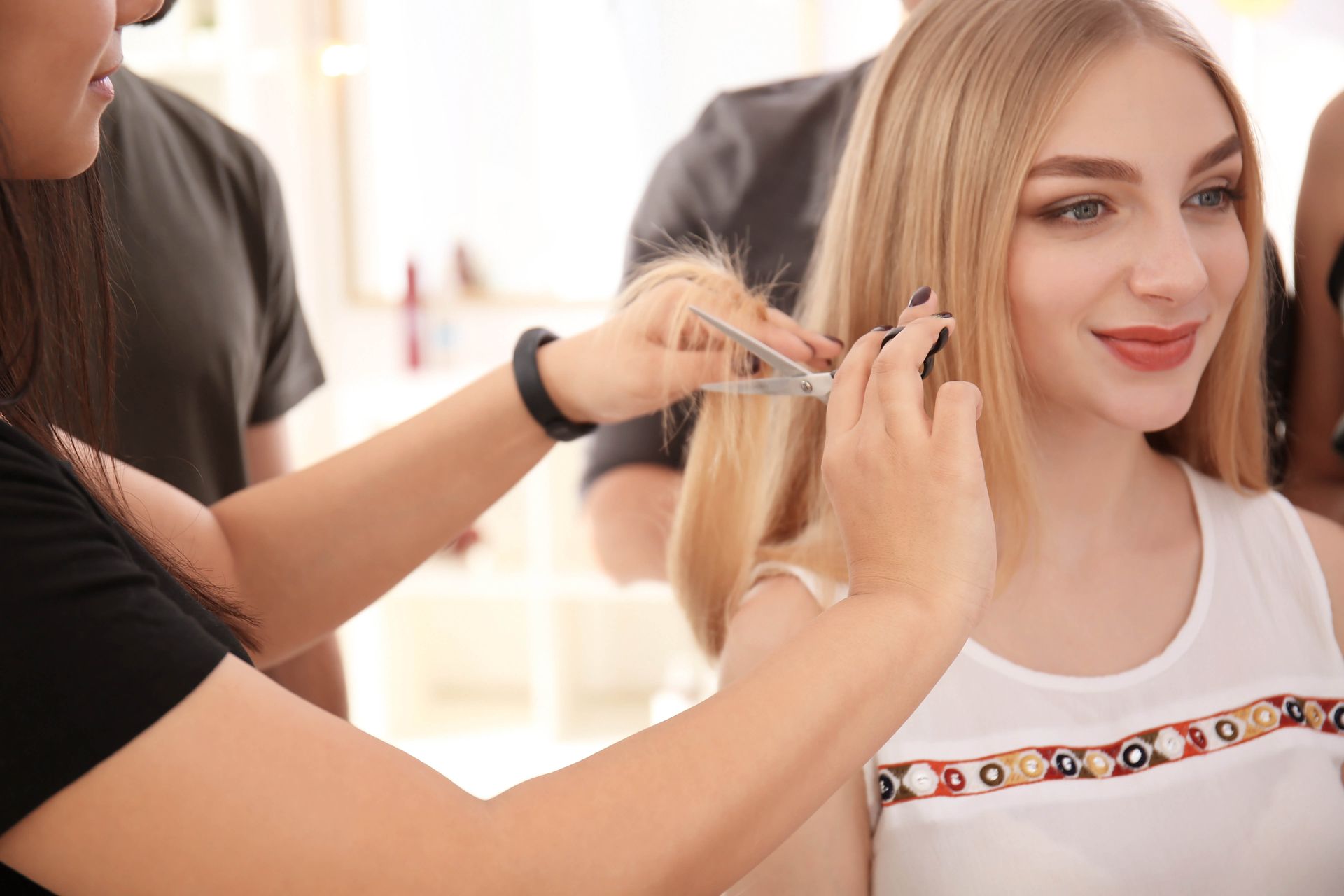
Beyond the technical execution of services, the skincare profession is fundamentally centered on human connection and exceptional customer service. Providing a relaxing and effective treatment requires the ability to read a client, communicate effectively, and establish a foundation. Hands-on training environments accurately simulate the real-world dynamics of a spa, allowing students to practice these vital soft skills daily. They learn how to conduct thorough, empathetic consultations, asking the right questions to uncover underlying skin concerns and lifestyle factors. More importantly, they learn how to interpret subtle non-verbal communication. A client might not verbally express discomfort, but a slight flinch or tense shoulders can communicate volumes to a professional. By interacting with a diverse array of individuals during their esthetician program, students learn to identify these micro-expressions and adjust their demeanor accordingly. They practice modifying their communication style to suit different personalities, ensuring every guest feels heard and respected. This interpersonal practice is absolutely crucial for building a loyal clientele.
Adapting Skills Through Unique Situations
Theoretical learning often relies on standardized scenarios and generalized skin classifications. However, in reality, no two faces are exactly alike. Skin is incredibly diverse, influenced by genetics, environmental stressors, dietary habits, and emotional well-being. A treatment protocol that works perfectly for one individual might cause an adverse reaction in another. Practical training exposes students to this immense variability, teaching them how to adapt their foundational knowledge to unique, real-world situations. During practical sessions, students encounter a wide spectrum of skin conditions, textures, and sensitivities. They learn to identify the subtle differences between dehydration and dryness, or the various presentations of epidermal congestion. This exposure teaches them how to pivot when a standard protocol is no longer suitable. If a client's skin reacts unexpectedly, the student must rely on their practical experience and their instructor's guidance to alter the course of the treatment. This ability to think critically and adapt on the fly bridges the gap between rote memorization and clinical reasoning.
Securing Employment Through Proven Competence
When transitioning from a student to a working professional, the ability to demonstrate practical competence is your most valuable asset. Spa owners and salon managers actively seek out graduates who can immediately contribute to their business without requiring extensive retraining. They want professionals who are already comfortable navigating the treatment room, managing their time efficiently, and delivering high-quality results. Extensive practical experience makes a resume stand out and provides students with the tangible skills needed to excel during practical interviews. According to Zippia, licensed estheticians are 79% more likely to secure employment with private companies compared to public entities. Because many of these private employers rely heavily on client satisfaction and retention to maintain their successful businesses, they place a premium on proven, practical ability. A strong esthetician program ensures that students have a comprehensive portfolio of practical experience to draw upon when seeking employment. Graduates can speak confidently about the diverse treatments they have performed, making them highly attractive candidates.
Navigating Equipment Through Guided Instruction
Modern skincare frequently incorporates technology and specialized equipment to enhance treatment outcomes. From high-frequency wands to microdermabrasion machines, the tools of the trade are sophisticated and widely varied. Understanding the underlying mechanisms of these devices is important, but knowing how to safely and effectively operate them on a human being is essential. Hands-on learning provides the critical opportunity to interact with this equipment under expert supervision. Students learn the tactile nuances of operating machinery, such as finding the correct speed, angle, and physical pressure required for optimal results without causing discomfort. They also learn the essential protocols for equipment maintenance, sanitation, and troubleshooting. Reading a manual simply cannot replace the physical experience of adjusting settings while observing the immediate physical response of the skin. An immersive esthetician program allows students to become highly proficient with industry-standard tools before they ever set foot in a commercial spa.
The journey to becoming a successful skincare professional requires much more than memorizing terms and passing written examinations. It requires dedication to cultivate physical skills, the empathy to connect with clients, and the adaptability to handle diverse and unique situations. Prioritizing experiential learning ensures that you step into the beauty industry with the competence necessary to thrive. A curriculum rooted in consistent practical application bridges the gap between knowing exactly what to do and actually doing it. Choosing a high-quality esthetician program is the most critical step you can take toward building a rewarding and sustainable career. If you are ready to elevate your passion for skincare into a thriving profession, contact us at Entourage Institute of Beauty and Esthetics today. We will help you develop the hands-on expertise and industry knowledge needed to achieve your professional dreams.