November 18, 2026
Choosing a beauty education program can be an exciting step toward turning a passion for hairstyling, skincare, and personal care into a career. Top-rated beauty and hair programs combine classroom instruction with practical experience to help students develop the skills needed to work in the beauty industry. From learning professional techniques to understanding sanitation and client communication, students gain a foundation for providing quality services. Knowing what to expect can help you choose a program that aligns with your interests, goals, and preferred learning style.
Explore Essential Beauty Industry Skills
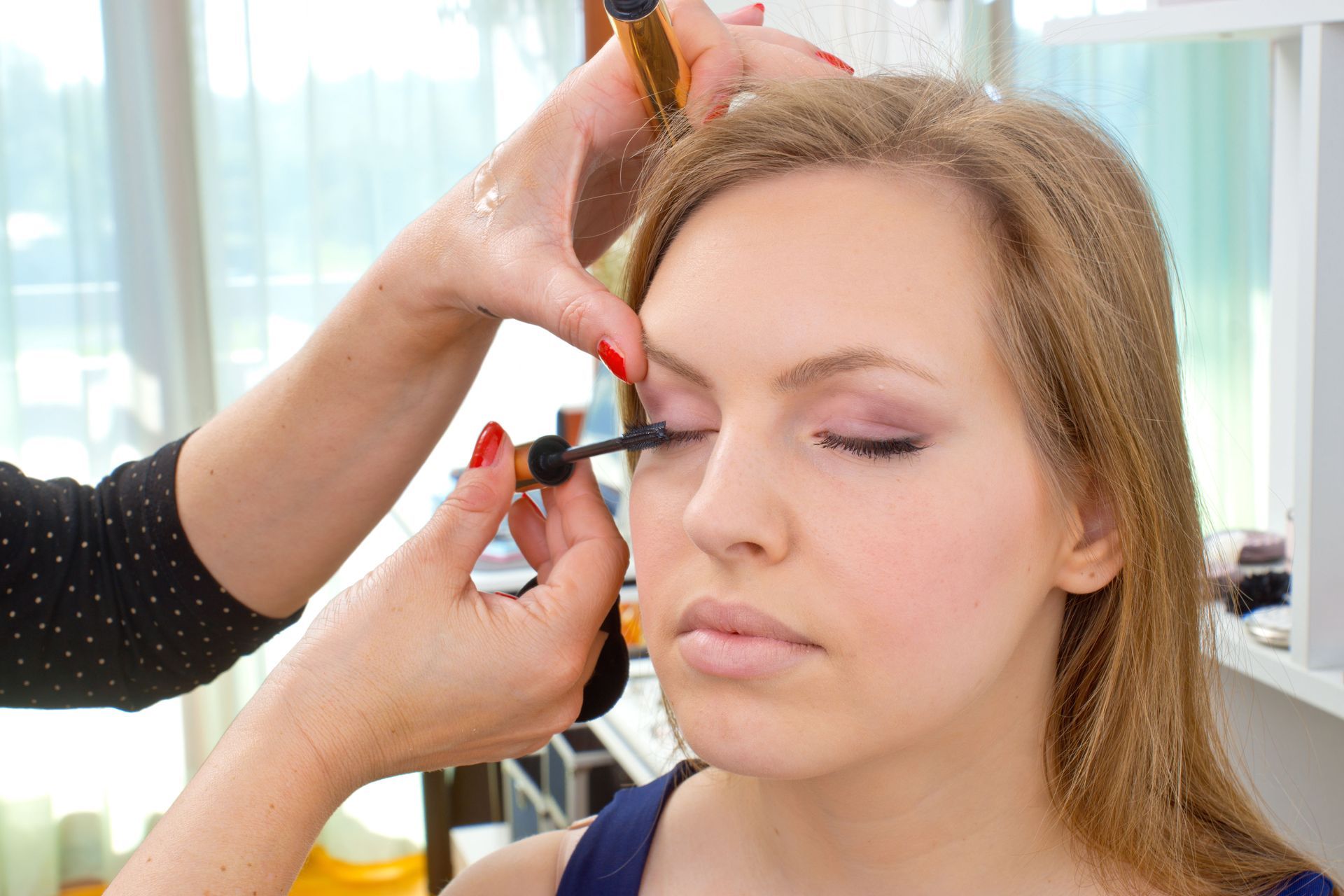
A quality beauty education program introduces students to the fundamental skills required for professional salon and spa environments. Depending on the program, coursework may cover hair cutting, styling, coloring, chemical treatments, skincare, makeup application, and nail care.
Students learn how different products, tools, and techniques affect their results. For example, understanding hair texture and condition helps future professionals recommend suitable styling methods and treatments. Learning about skin types and product ingredients can also help students make informed recommendations when providing skincare services.
Beyond technical instruction, students develop an understanding of sanitation, infection prevention, and workplace safety. These practices protect clients and professionals while helping maintain a clean, professional environment.
When evaluating hair programs, review the curriculum carefully to determine which subjects are included and how much practical instruction students receive. Choosing training that aligns with your career interests can help you build relevant skills from the start.
Develop Hands-On Styling Experience
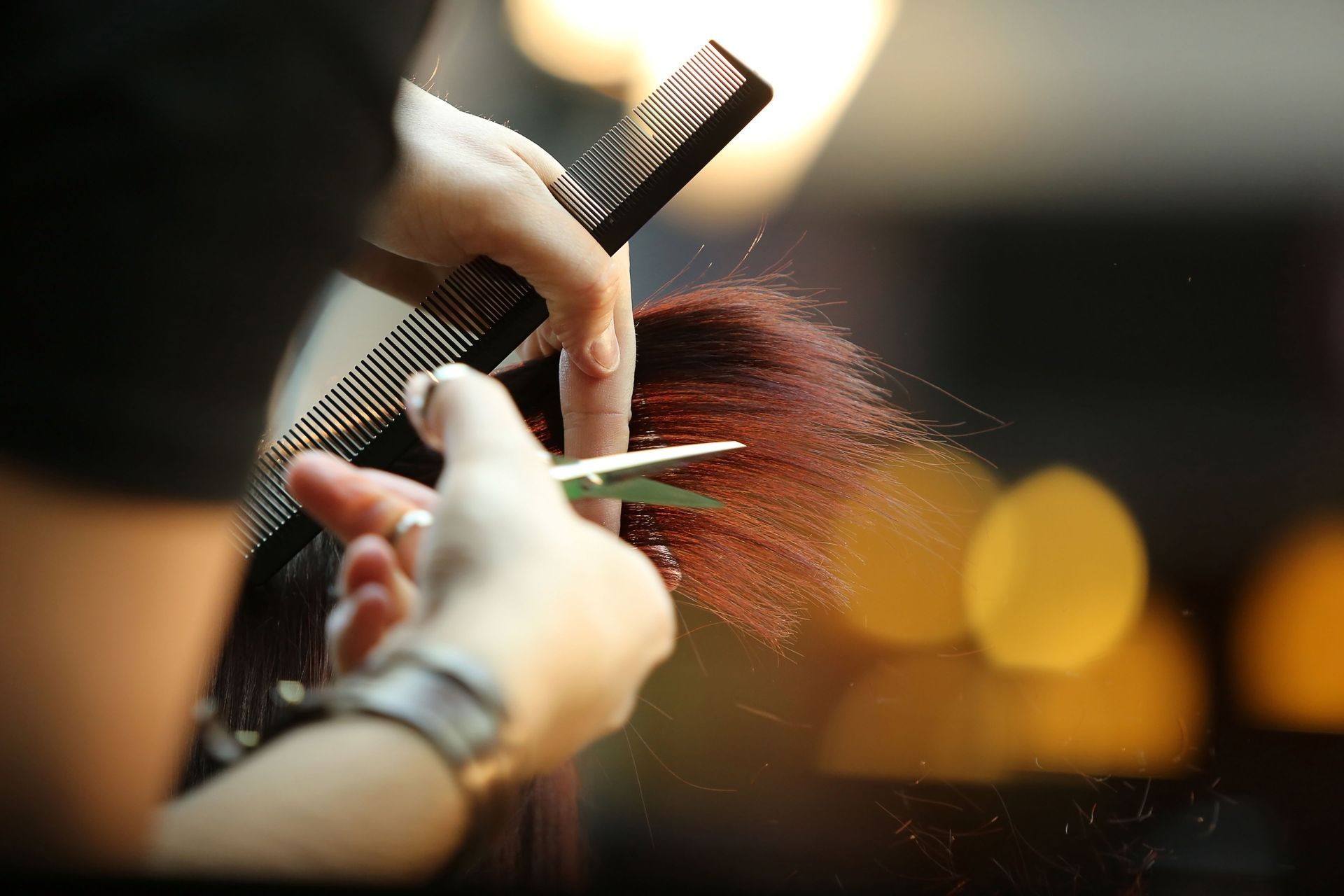
Practical experience is an important part of preparing for a career in beauty. While classroom lessons explain techniques and professional standards, hands-on training allows students to apply what they learn, receive feedback, and improve their performance.
Students may practice foundational skills on mannequins before progressing to supervised work with clients, depending on the program's structure and requirements. This progression helps students develop confidence while learning to work carefully and efficiently.
Hands-on instruction may include:
- Performing haircuts and creating different hairstyles.
- Practicing coloring techniques and learning proper product application.
- Using styling tools safely and effectively.
- Preparing workstations and maintaining sanitation standards.
- Communicating with clients about their preferences and desired results.
Regular practice helps students refine their technique and recognize areas that need improvement. It also teaches them to adapt their approach to different hair types, styles, and client expectations.
When comparing hair programs, ask how practical training is incorporated into the schedule. Opportunities to practice skills under professional supervision can help students better understand what working in a salon or other beauty setting involves.
Learn Professional Client Consultation Techniques
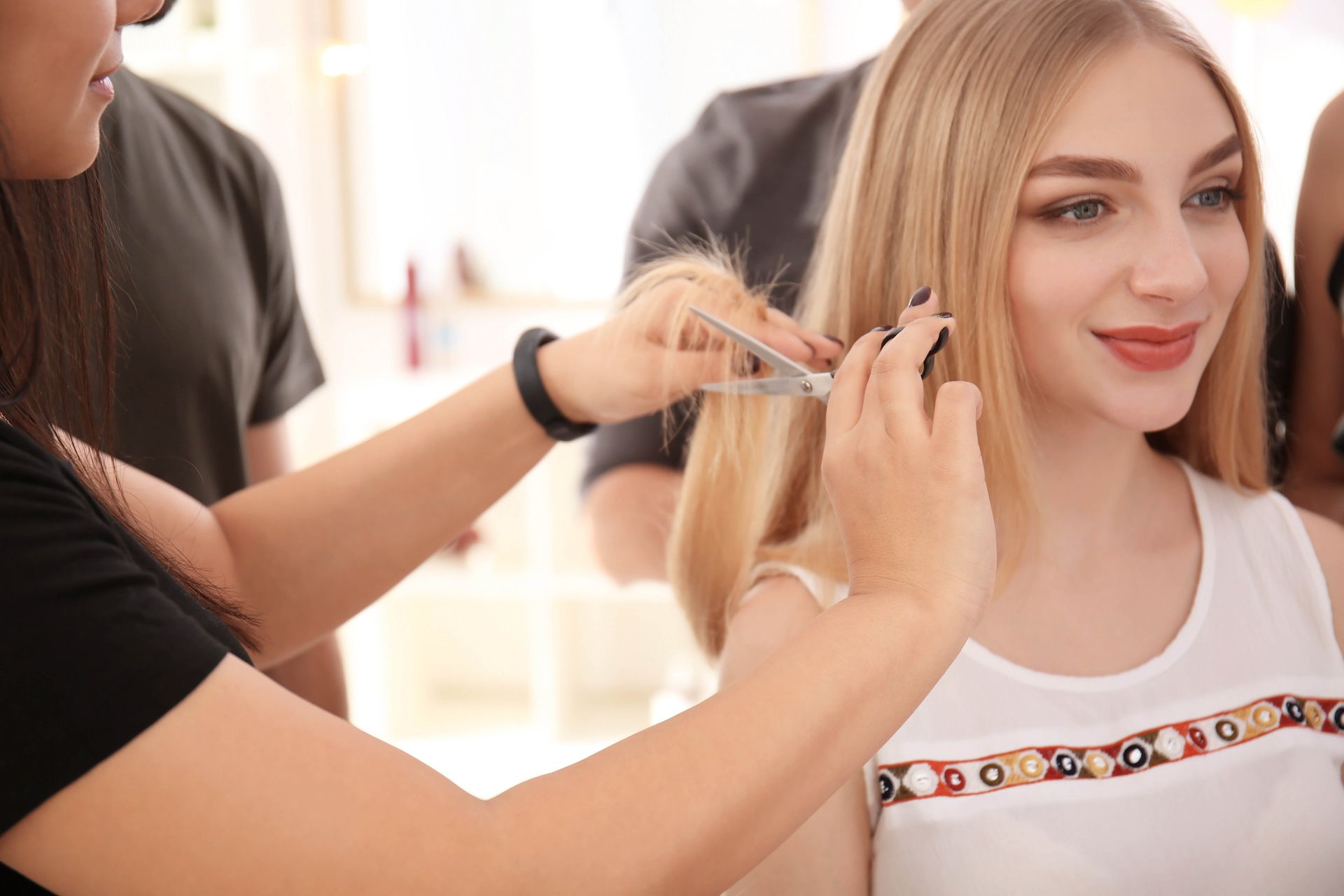
Technical ability is only one part of succeeding in the beauty industry. Professionals must also understand how to communicate with clients, identify their preferences, and explain which services may suit their needs.
Client consultations help establish realistic expectations before a service begins. A hairstylist, for instance, may discuss a client's desired haircut, maintenance routine, hair history, and styling preferences before recommending an approach. These conversations can help prevent misunderstandings and support more satisfactory results.
Students also learn the importance of listening carefully, asking relevant questions, and explaining service limitations. If a requested color transformation could damage hair or require multiple appointments, a professional should clearly communicate those considerations.
Strong communication skills are especially valuable for building long-term client relationships. Clients are more likely to return when they feel heard, respected, and confident in the professional's recommendations. Beauty education that incorporates consultation practice, professional conduct, and customer service can help students prepare for the job's interpersonal responsibilities.
Understand Hair Health and Maintenance Practices
Healthy hair is an important consideration when recommending services and creating styles. Beauty students learn how hair condition, texture, and previous chemical treatments can influence the techniques and products they use.
Training may cover scalp care, conditioning, heat protection, and strategies for minimizing damage from styling or chemical services. Students also learn to recognize when a client's hair may need additional care before attempting a particular style or treatment.
Maintenance recommendations are another important part of professional service. According to the Texas College of Cosmetology, regular trims every six to twelve weeks can help maintain hair health and preserve a desired style. However, the ideal trimming schedule depends on an individual's hair condition, growth goals, and styling preferences.
Students should also understand how to recommend realistic home-care routines. This may involve explaining proper shampooing, conditioning, detangling, and heat-styling practices based on a client's needs. These fundamentals are an important part of hair programs because they prepare students to educate clients about maintaining their results between salon visits.
Learning these principles helps future professionals provide more informed recommendations and prioritize hair condition rather than focusing exclusively on appearance.
Build Knowledge of Beauty Products and Tools
Professional beauty services require familiarity with a variety of products, tools, and equipment. Students learn how to select appropriate supplies, use them correctly, and understand how different formulations or techniques affect the final result.
For hairstyling, this may include scissors, combs, brushes, blow dryers, curling irons, and flat irons. Students may also learn about hair color, developers, styling products, and treatments used to achieve specific results.
Understanding product labels and manufacturer instructions is essential. Students need to know how to follow directions, observe appropriate processing times, and take precautions when working with chemical products. They should also understand the importance of checking for sensitivities when required by product instructions and applicable professional standards.
Product knowledge supports better client recommendations, too. A professional who understands the differences between styling products can help clients select options that suit their hair type, preferred look, and maintenance routine.
As you compare hair programs, consider whether the curriculum addresses both product knowledge and the safe, effective use of professional tools.
Prepare for Licensing and Career Opportunities
Beauty education can provide a foundation for entering the workforce, but students should understand the licensing requirements for their chosen profession. Requirements vary by state and service category, so it is important to confirm which training hours, examinations, and other qualifications are necessary before enrolling.
A suitable program should explain how its curriculum relates to applicable requirements and what students need to do after completing their education. Prospective students should verify program approval and licensing eligibility with the relevant state licensing authority rather than relying on general advertising claims.
Career preparation may also include résumé development, interview practice, professional networking, and guidance on workplace expectations. These skills can help graduates explore opportunities in salons, spas, and other settings relevant to their training.
Some beauty professionals eventually pursue independent business ownership or specialize in particular services. Developing strong technical skills, understanding client needs, and learning professional standards can provide a useful foundation for these longer-term goals. When researching hair programs, ask about career guidance, practical training, and the steps graduates must complete to qualify for work in their intended field.
Choose a Program That Supports Your Goals
Selecting a beauty school involves considering more than its reputation. Look at the curriculum, training environment, instructor qualifications, scheduling options, and total cost to determine whether the program fits your circumstances.
You may also want to visit the school, ask questions about daily instruction, and learn how students practice their skills. Understanding the expectations before enrolling can help you make a more confident decision.
A strong educational experience should help you develop technical ability, professional judgment, and confidence in working with clients. By carefully comparing your options, you can identify hair programs that support your interests and prepare you for the next stage of your career.
Entourage Institute of Beauty and Esthetics can help you explore your beauty education options and take the next step toward your professional goals. Contact Entourage Institute of Beauty and Esthetics to learn more about its programs and find a path that fits your aspirations.