May 14, 2026
A career in beauty can begin with creativity, but long-term success often depends on structure, discipline, and professional preparation. Students who enjoy hair, skin, makeup, nails, or client-focused service may have natural talent, but talent becomes more marketable when it is supported by training. That is why cosmetology schools can play such an important role in helping future professionals understand both the artistic and technical sides of the industry.
The beauty field also requires more than learning how to complete a single service. Students need to understand sanitation, client safety, consultation skills, state requirements, and the daily expectations of a salon or spa environment. A strong education can help students connect their interests with practical career steps, especially when they want to enter the workforce with confidence and direction.
Building a Strong Career Foundation
One of the most important benefits of formal beauty education is the foundation it provides. Cosmetology schools introduce students to the core skills they need before they begin serving clients professionally. These skills may include haircutting, hairstyling, coloring, skincare basics, nail care, makeup application, and professional sanitation practices. While every program may have a different structure, the goal is generally to help students move from basic understanding to hands-on ability.
This foundation matters because beauty services are personal. Clients depend on professionals to listen carefully, make informed recommendations, and complete services in a safe, polished way. Students who receive guided instruction can build habits that support consistency, which is essential in a field where reputation and repeat business are closely connected.
Formal training can also help students understand daily work in the beauty industry. Instead of only seeing the creative side, they learn about scheduling, timing, preparation, cleanup, product knowledge, and professional communication. These expectations are easier to manage when students have practiced them in a structured environment.
Developing Technical Skills Through Practice
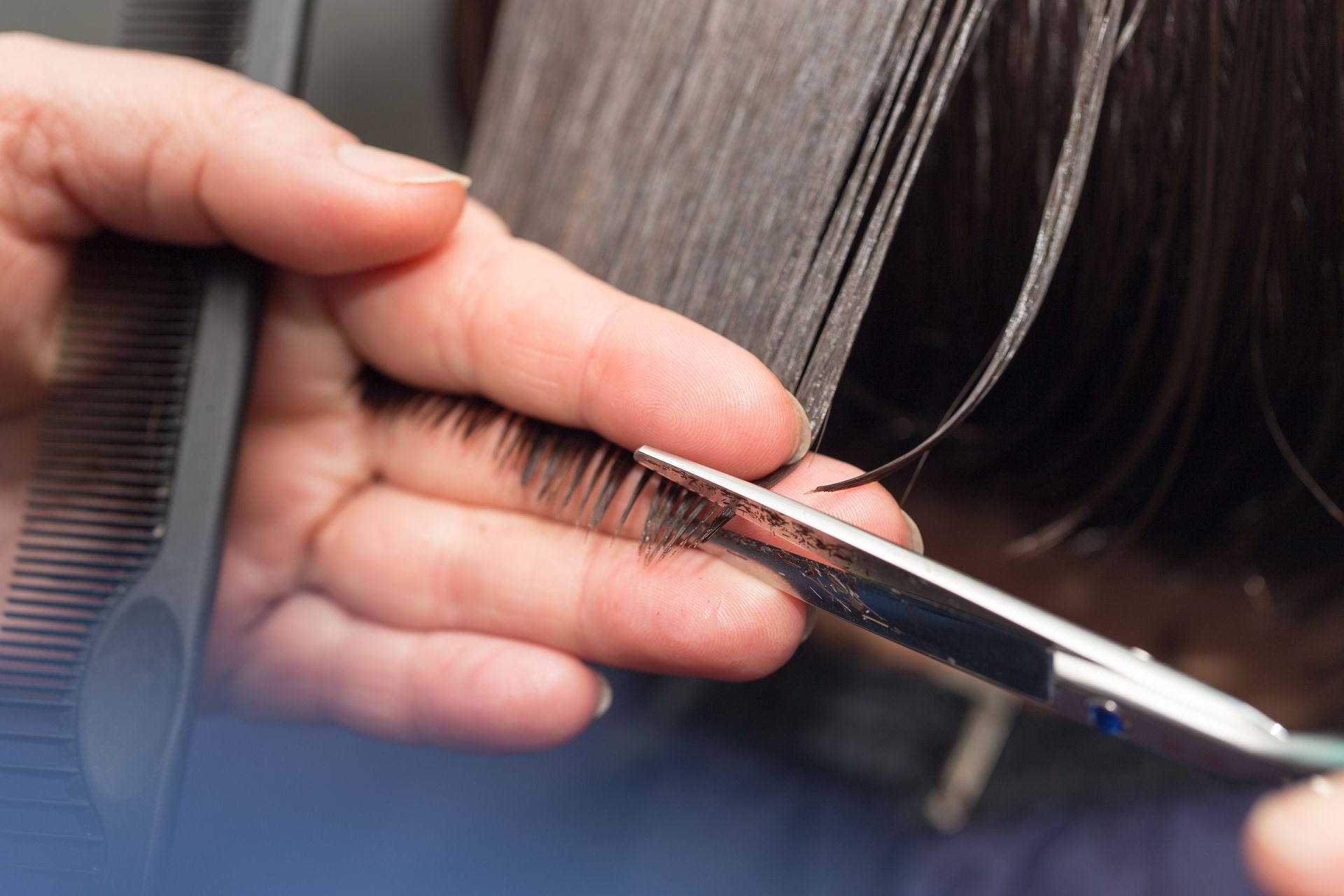
Practice is one of the clearest reasons students choose cosmetology schools. Beauty techniques often require repetition before they feel natural. A student may understand a haircutting concept in theory, but it takes practice to control sectioning, tension, elevation, and blending. The same is true for chemical services, facials, manicures, and other hands-on treatments.
In a training setting, students can receive feedback while they are still learning. This feedback helps them correct mistakes, refine their technique, and develop a stronger eye for detail. Over time, supervised practice can help students become more comfortable working with different hair textures, skin needs, face shapes, and client preferences.
Technical confidence also affects how students present themselves. When students know they have put time into learning proper methods, they may feel more prepared to explain services, answer client questions, and adjust their approach when needed. Cosmetology schools can help students build that confidence gradually instead of expecting them to master everything on their own.
Learning Safety Standards and Professional Responsibilities
The beauty industry involves close contact with clients, tools, products, and chemicals, so safety is a major part of professional preparation. Cosmetology schools teach students how to follow sanitation protocols, maintain clean work areas, disinfect tools, and reduce risks during services. These practices protect both the client and the professional.
Safety also includes knowing when a service may not be appropriate. Students may learn to recognize scalp conditions, skin sensitivities, product reactions, or situations that require caution. This kind of judgment is important because beauty professionals must balance client goals with responsible service decisions.
Professional responsibility also extends to licensing requirements. Students preparing for licensure need to understand the rules that apply in their state, including required training hours and examination expectations. A structured program can help students stay focused on those requirements while developing the practical skills needed for work after graduation. By combining safety, ethics, and technique, cosmetology schools help students see the profession as both creative and accountable.
Preparing for Employment in Private Businesses
Many graduates hope to work in salons, spas, beauty studios, or other privately operated businesses. This makes career preparation especially important. According to Zippia, licensed cosmetologists are 78% more likely to work for private companies than public companies. That statistic highlights why students benefit from learning how private-sector beauty workplaces operate.
Private businesses often value professionals who can provide strong service, communicate well, maintain punctuality, support client retention, and contribute to a positive environment. Students who understand these expectations may be better prepared to make a strong impression during interviews, practical demonstrations, and early career opportunities.
Cosmetology schools can support this preparation by helping students think beyond the technical service itself. A great haircut or facial is important, but employers may also look for professionalism, adaptability, and a willingness to keep learning. Students who practice these habits during their education can carry them into their first salon or spa position.
This preparation can also help students explore different career paths. Some may be drawn to hair services, while others may prefer esthetics, nails, makeup, or a combination of beauty specialties. When students understand the private-business landscape, they can make more informed decisions about where they may want to begin.
Strengthening Client Communication and Service Skills
Beauty careers are highly relational. Clients often return to professionals who make them feel heard, comfortable, and respected. For that reason, cosmetology schools often place strong emphasis on communication. Students need to learn how to ask the right questions, confirm expectations, explain service options, and respond professionally when a client is uncertain.
Consultations are especially important. A client may bring in a photo, describe a concern, or ask for a major change without fully understanding the maintenance involved. A trained professional should be able to explain what is realistic, what the process may require, and how to care for the result afterward. Clear communication helps reduce misunderstandings and supports a better client experience.
Service skills also include body language, tone, time management, and follow-through. Students who practice these habits can become more comfortable interacting with different personalities. They may also learn how to remain calm when a service takes longer than expected or when a client needs extra guidance.
The ability to combine technical skill with thoughtful communication can make a major difference in career growth. Clients may first notice the finished look, but they often remember the overall experience. Training environments give students opportunities to improve that experience before they step fully into the workforce.
Choosing Training That Supports Long-Term Goals
Students who are serious about entering the beauty industry should think carefully about the type of training environment they choose. Not all cosmetology schools offer the same experience, so it is important to consider program structure, hands-on opportunities, instructor support, and preparation for licensure.
Long-term goals should also shape the decision. A student who wants to work in a full-service salon may have different interests than someone focused on skincare or makeup. Students should look for education that helps them build practical skills while also giving them room to discover which areas of beauty excite them most.
Choosing a program is not only about starting school. It is about preparing for a profession that requires ongoing learning, client care, and personal growth. Cosmetology schools can provide the structure students need to begin that process with purpose. With the right training, future beauty professionals can develop the confidence, discipline, and service mindset needed to move toward meaningful opportunities in the industry. Call Entourage Institute of Beauty and Esthetics today to learn more or schedule a tour.