March 17, 2026
Choosing a path in the beauty industry is an exciting step toward a creative and rewarding career. Today’s aspiring professionals have more learning options than ever, from traditional beauty schools to flexible online programs. While digital education appeals to those seeking convenience, in-person instruction continues to deliver unmatched advantages for hands-on mastery, confidence-building, and industry readiness. For many learners, the difference between online and on-campus training becomes the determining factor in feeling fully prepared for real clients, real services, and real career demands.
In addition to building technical skills, in-person learning offers structure, accountability, and personal support that help students stay motivated throughout their training. Being surrounded by instructors and peers creates an encouraging environment where questions are answered immediately and problem-solving happens in real time. These benefits make in-person cosmetology education a powerful foundation for long-term success. This blog explores why in-person education remains the strongest path for aspiring beauty professionals seeking complete, career-ready training.
Building essential hands-on skills
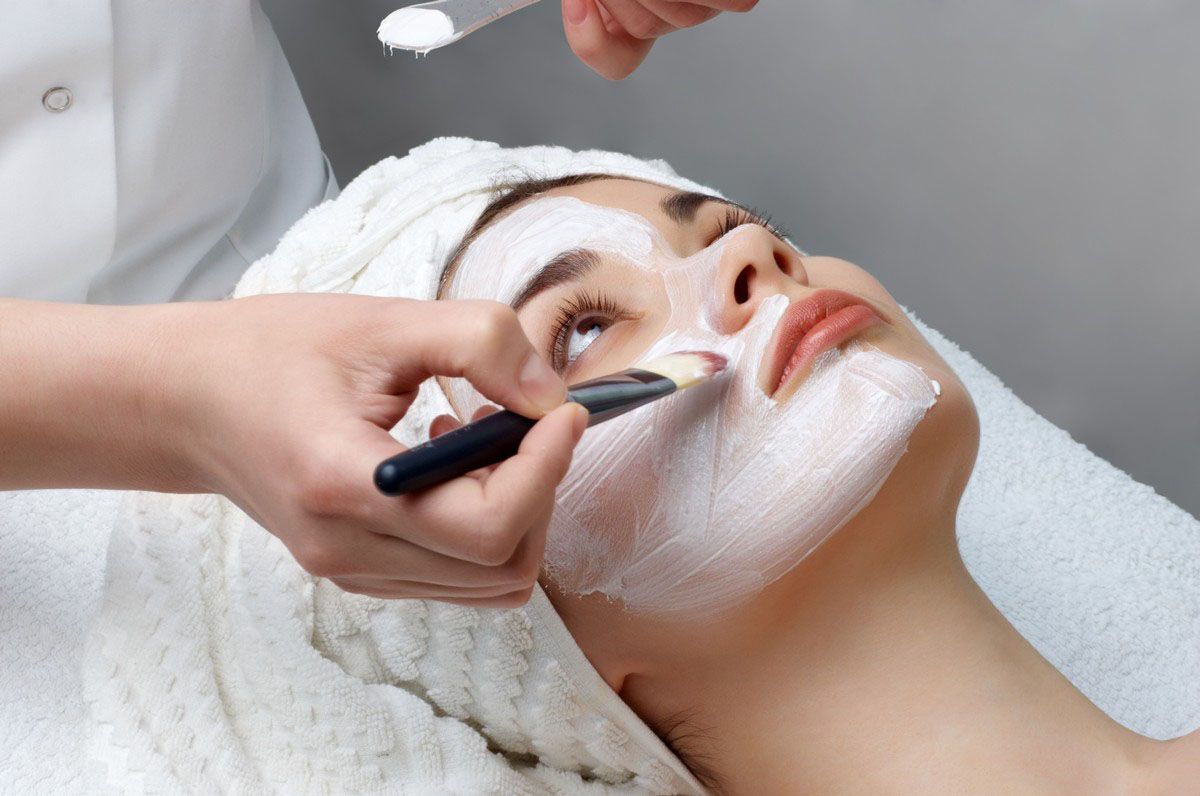
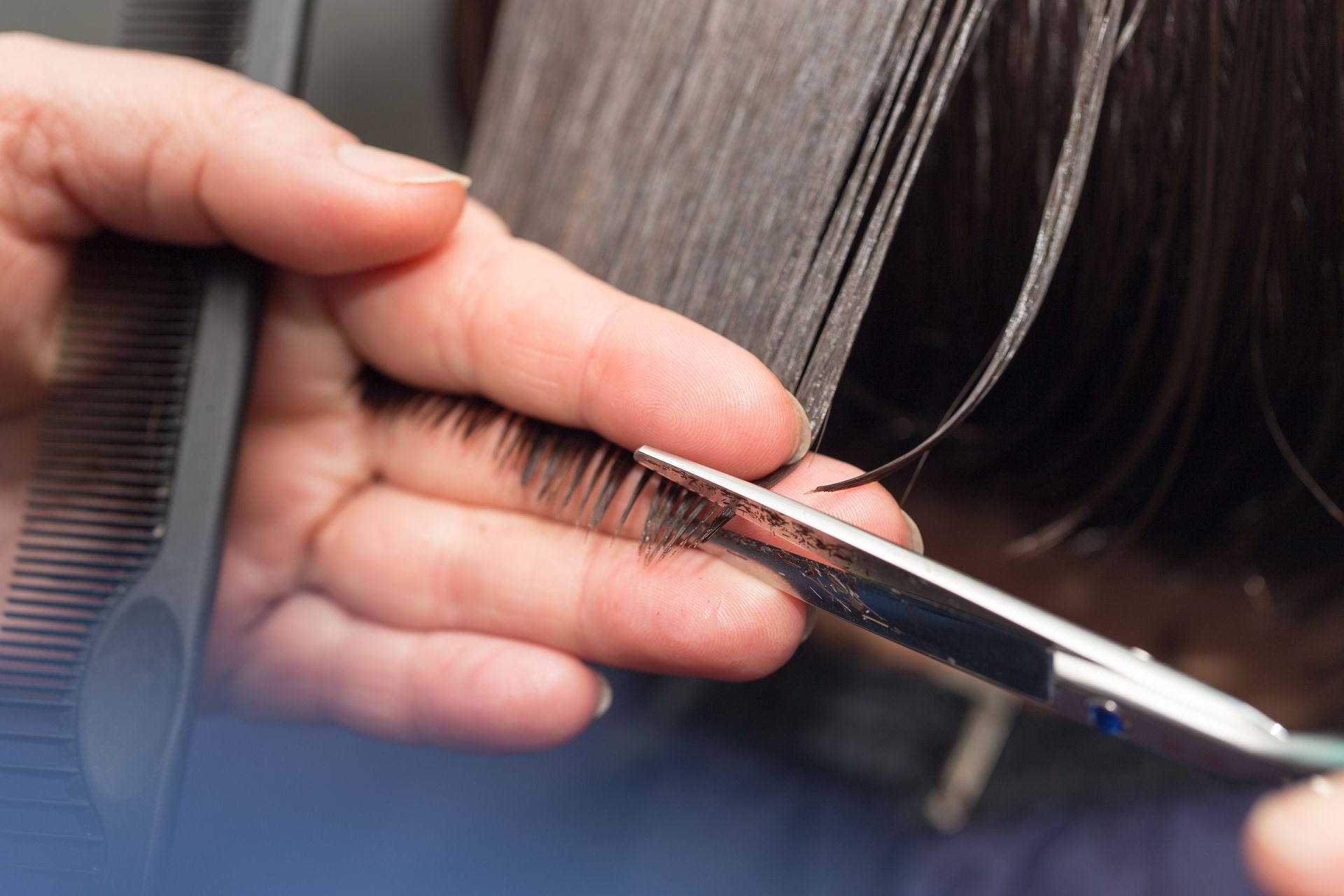
One of the most significant distinctions between online learning and attending beauty schools is the ability to practice techniques directly. Cosmetology is a tactile profession that relies on muscle memory, precision, and controlled repetition. When students work with mannequins, models, or peers under instructor supervision, they receive immediate, corrective feedback on pressure, angles, blending, product application, and sanitation practices. This active coaching simply cannot be duplicated through a screen. Hands-on work also allows students to build confidence as they feel textures, adjust tools, and navigate real-time challenges they will encounter with future clients.
Online demonstrations may show proper technique, but they cannot adjust a student’s grip, correct posture, or refine subtle movements. In-person training also exposes learners to a wide variety of hair and skin types, helping them develop problem-solving abilities that online practice cannot fully simulate. The unpredictability of working with real people, including different densities, curl patterns, sensitivities, and service requests, creates invaluable learning moments that shape a well-rounded professional. Because this field depends so heavily on hands-on expertise, in-person instruction offers advantages that virtual learning cannot match.
Developing strong professional confidence
Confidence is built through repetition and real-world practice, both of which beauty schools provide through structured, supervised training. Before entering the workforce, students complete services in controlled environments that mimic professional settings. This exposure allows them to refine communication skills, manage client expectations, and adapt when challenges arise.
Online courses may cover theoretical knowledge, but they cannot replicate the dynamic experience of interacting with clients in real time. In-person learners become comfortable with timing, service procedures, professional etiquette, and client feedback, all of which are crucial for success in salons and spas. This foundation significantly reduces first-job anxiety and gives graduates a smoother transition into the beauty industry.
Receiving immediate instructor guidance
Another core advantage of in-person programs is direct, real-time access to experienced instructors. Educators can quickly identify mistakes, demonstrate corrections, and provide personalized insights that accelerate learning. This instant feedback prevents students from reinforcing poor habits, which can be difficult and time-consuming to fix later.
Although online programs may offer prerecorded videos or virtual sessions, delayed or limited feedback cannot match the value of hands-on mentorship. In-person education also allows students to ask spontaneous questions, observe demonstrations up close, and learn through collaborative group experiences. These interactive elements enhance understanding and boost overall competency.
Building professional networks and industry connections
Success in the beauty industry is deeply rooted in relationships. Beauty schools naturally foster networking opportunities with instructors, peers, guest educators, and potential employers. These connections often lead to mentorships, job recommendations, and ongoing professional support long after graduation.
While online courses may include digital discussion boards or virtual communities, they do not provide the depth of connection found in physical classrooms. On-campus students also gain access to career fairs, product demonstrations, brand educators, and local partnerships that enrich their training and increase their visibility within the industry. Networking remains one of the most powerful advantages of in-person education.
Gaining access to professional tools and real-world practice
Cosmetology is a tool-dependent field, and students must understand how to use professional-grade equipment safely and effectively. Beauty schools supply high-quality tools, products, and sanitation systems that mirror real salon environments. This hands-on exposure gives learners the confidence needed to navigate a workstation, manage supplies, and maintain high standards of cleanliness.
Online programs may require students to purchase kits, but they cannot simulate the immersive experience of practicing on varied clients with professional supervision. In-person training also helps students develop efficiency, timing, organization, and overall workflow, which are essential for success in real-world beauty settings.
Understanding licensing requirements and industry standards
Licensing is mandatory in nearly every state for those entering the beauty field. Beauty schools guide students through regulated requirements, including hands-on practice hours, sanitation training, and state-board preparation. This structure ensures learners acquire both the technical and theoretical knowledge needed to pass licensing exams.
One important advantage traditional programs offer is consistent progress tracking, ensuring students meet their hour requirements without falling behind. Online courses may provide theoretical instruction, but many states do not accept online hours as substitutes for required hands-on practice. According to Filmbook, depending on your state, it only takes about a year to finish cosmetology school if you attend full-time and do not skip classes. This timeline highlights the efficiency and structure of in-person programs.
Preparing for real-world career expectations
The beauty industry places high value on professionalism, customer service, and workplace readiness. In-person programs incorporate these expectations into daily instruction, teaching students how to manage client consultations, uphold sanitation standards, and maintain professional demeanor even during challenging situations. These lessons build confidence and competence beyond technical skills alone.
Online programs cannot fully recreate the fast-paced, person-to-person dynamics of salon environments. In-person training gives students a realistic preview of salon life, helping them understand scheduling, teamwork, time management, and adaptability. This practical experience leads to smoother entry into employment and a higher likelihood of long-term career success.
Benefiting from structured learning and accountability
Another advantage of in-person education is the structure and accountability that beauty schools provide. Regular attendance, instructor check-ins, scheduled practice sessions, and curriculum pacing keep students motivated and on track. This routine helps learners build discipline, focus, and consistency, which are essential for success in cosmetology.
Online courses may offer flexibility, but without structured guidance, some students struggle with time management, skill progression, or staying motivated. In-person instruction provides stability and a supportive environment that encourages steady improvement and completion.
Receiving emotional support and community encouragement
Learning a creative craft can be emotionally challenging, especially when students face skill plateaus or moments of self-doubt. In-person education creates a collaborative environment where learners encourage one another, share experiences, and celebrate progress together. This sense of community enhances confidence and fosters perseverance.
Online learners often miss the camaraderie and encouragement that develop naturally in a classroom. The emotional support offered by peers and instructors can make a significant difference in a student’s success and overall satisfaction with their educational journey.
In-person education continues to stand out as the most effective pathway for developing complete, career-ready beauty professionals. While online programs offer flexibility, they cannot replace the hands-on experience, real-time feedback, industry networking, and immersive learning environment found in traditional programs. For students seeking to enter the industry with confidence, competence, and strong foundational skills, in-person training remains the superior choice. If you're ready to take the next step toward a meaningful future in cosmetology through beauty schools, contact Entourage Institute of Beauty and Esthetics today.