April 17, 2026
Beauty school offers a diverse set of skills in the cosmetic and hairstyling industry that can lead to numerous career opportunities. Whether your interest lies in hair, skin, nails, or beyond, the beauty industry has a path for you. The training you complete in beauty school can open the door to creative, client-focused, and business-minded roles across many settings. From salons and spas to freelance work and education, beauty school can help you build a career that matches your strengths and long-term goals. Explore X career options available after graduating from beauty school.
1. Hairstylist
1.1 Job Description and Responsibilities
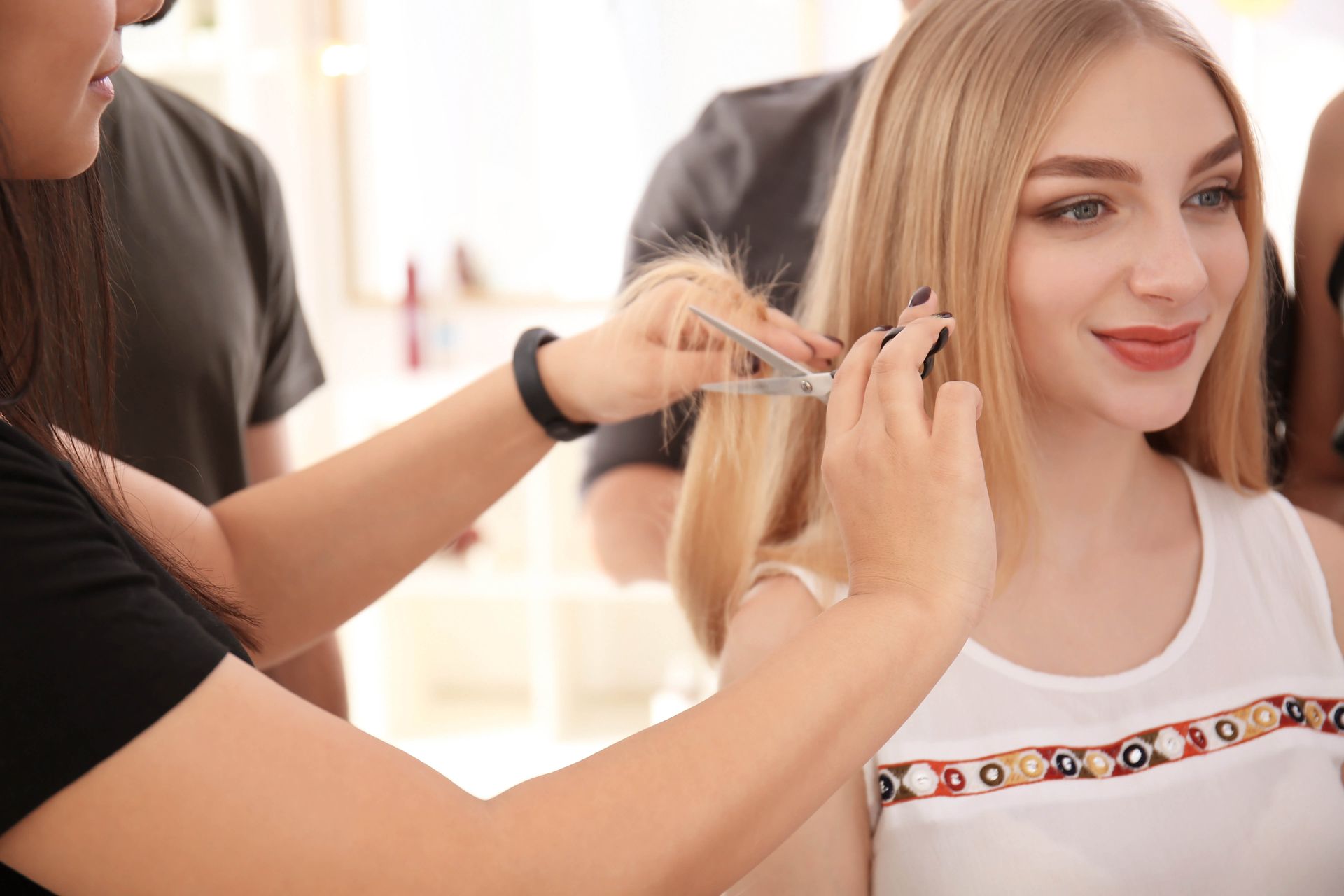
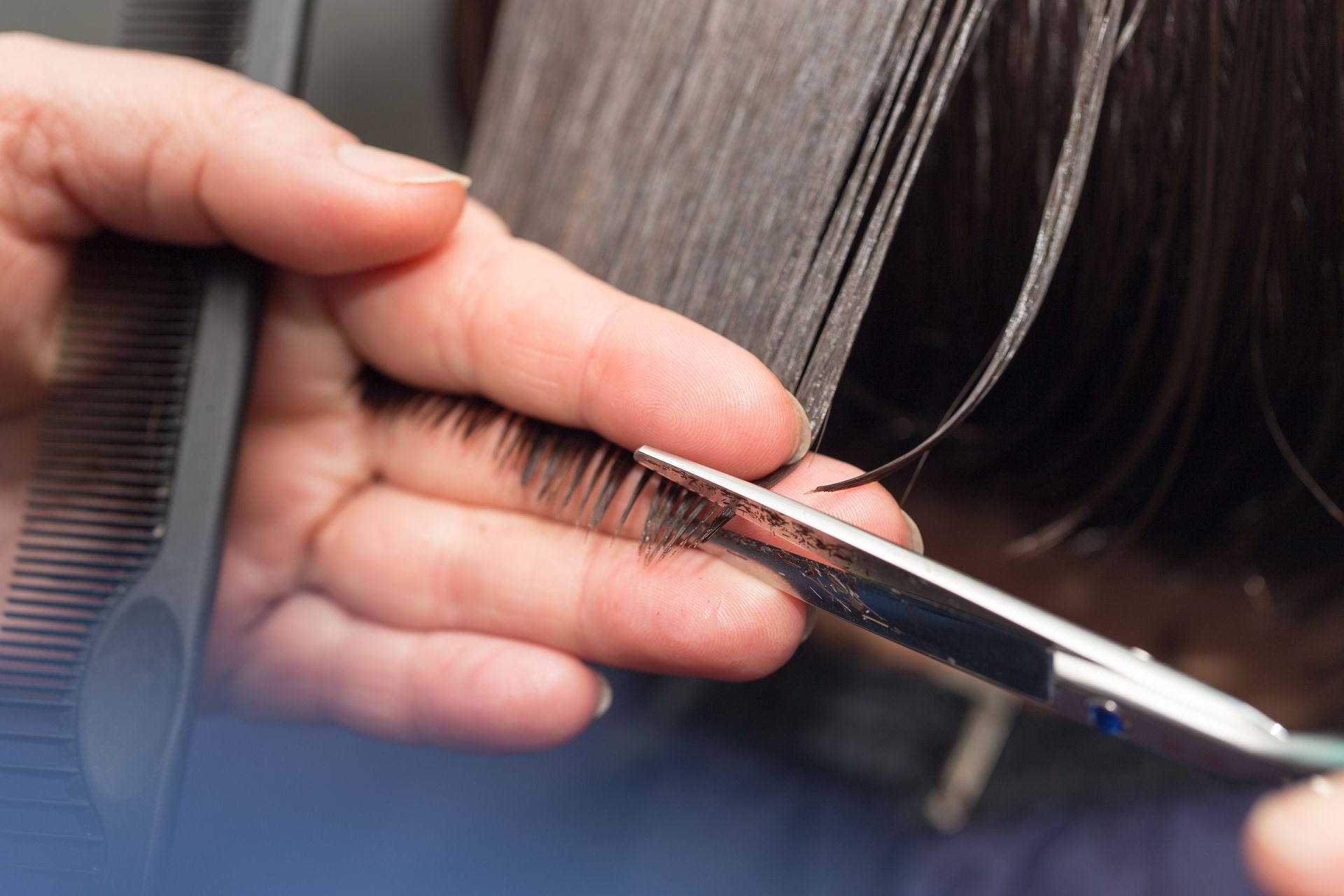
A hairstylist is tasked with creating and maintaining haircuts, hair colors, and hairstyles that enhance a client's overall appearance. Each client may come with a unique set of requirements or desires, demanding hairstylists to adapt and customize their approach. They are responsible for consulting with clients to understand their needs, using tools such as scissors, razors, and blow dryers to achieve desired results. In addition, hairstylists may offer advice on products and recommend care routines to help clients maintain their new style. For many graduates, beauty school is the first step toward building confidence behind the chair and developing the technical ability this role requires.
1.2 Necessary Skills and Qualities
Success as a hairstylist requires creativity to envision and execute styles that suit different face shapes and personal styles. Excellent communication skills are vital to understand and deliver a client's vision while making them comfortable. Customer service is key, as building a loyal clientele base depends on making every visit a positive experience. Moreover, physical stamina is required, given that hairstylists often stand for long hours. Being up-to-date with industry trends, fashion movements, and new techniques also proves beneficial in this ever-evolving field. Many students begin sharpening these strengths while attending beauty school and continue refining them throughout their careers.
1.3 Available Specializations
Within hairstyling, there are various specializations that professionals can pursue to further enhance their careers. Color specialists focus on creating vibrant, well-matched hair colors, understanding the intricacies of color theory. Hair extension experts specialize in techniques that add length and volume, providing clients with desired transformations. Other hairstylists may concentrate on bridal or event hairstyling, designing unique updos and elegant styles for special occasions. These specializations not only cater to specific client needs but can also lead to more rewarding and diverse career opportunities.
1.4 Career Advancement Opportunities
The hairstyling career path is full of potential for advancement and growth. Seasoned hairstylists often progress to become lead stylists, taking on leadership roles within salons and mentoring junior staff. Some even open their own salons, combining their technical expertise with business acumen to create successful enterprises. This entrepreneurial route allows for greater creative freedom and the possibility of cultivating a distinct brand. Specializing in hair color, hair care, or specific styling techniques can elevate a hairstylist's reputation, attracting a niche clientele and opening doors to exclusive opportunities that began with a solid beauty school foundation.
1.5 Obtaining Continued Education and Certifications
The beauty industry is dynamic, influenced by changing trends and client preferences, necessitating continual education for hairstylists. Attending workshops, training sessions, and certification programs helps stylists stay current with the latest tools and techniques. These educational opportunities provide insight into new technologies, innovative products, and emerging styling trends. Additionally, specialized certifications in areas like hair coloring or extensions can differentiate a professional from peers. According to industry data, approximately 85,300 job openings for hair care and skin care professionals are projected yearly, underscoring the importance of staying competitive after beauty school.
2. Esthetician
2.1 Job Description and Responsibilities
Estheticians specialize in skincare treatments, helping clients achieve and maintain healthy, radiant skin. Their roles encompass performing facials, chemical peels, and other specialized skin treatments to address various skin concerns. Consulting with clients to diagnose skin conditions and recommend tailored skincare routines is a fundamental responsibility. Estheticians also educate clients on proper skincare techniques and product usage for optimal results. Whether in a spa, salon, or medical setting, their primary goal is to improve clients' skin health and boost their confidence.
2.2 Essential Skills and Traits
Precision and attention to detail are crucial skills for estheticians, given the delicate nature of skin treatments. Cleanliness and sanitary practices are paramount to prevent infections and protect client safety. Interpersonal communication skills help estheticians build rapport with clients, creating a comfortable and trusting environment. A genuine passion for skincare, coupled with a commitment to ongoing education, enables estheticians to offer strong service and stay ahead in the field. This combination of technical proficiency and client care is often first developed in beauty school classrooms and practical labs.
2.3 Specialized Treatments Offered
Estheticians have the opportunity to offer a variety of specialized treatments beyond traditional facials. One such treatment is microdermabrasion, a non-invasive procedure that exfoliates and rejuvenates the skin. Estheticians may become experienced in acne treatment, catering to clients with specific skincare challenges and providing targeted solutions. Additionally, holistic skincare approaches are gaining popularity, incorporating natural products and techniques to promote skin health. By expanding their skills to include these specialties, estheticians can cater to a broader range of client needs and enhance their service offerings.
3. Nail Technician
3.1 Role and Day-to-Day Duties
Nail technicians focus on caring for clients' nails and enhancing their appearance through various services. Typical duties include conducting manicures, pedicures, and applying specialized nail art to meet client desires. Understanding proper hygiene and sanitation methods is essential in this role to maintain clean and safe services. Technicians are also responsible for conducting consultations with clients to determine suitable treatments and care routines. By turning a simple nail salon visit into a pampering experience, nail technicians create loyal customer bases and establish successful careers after beauty school.
3.2 Skills Needed for Success
Success as a nail technician requires artistic ability to craft detailed nail designs and replicate requested patterns. Attention to detail is crucial, helping deliver high-quality outcomes that satisfy client expectations. A strong understanding of nail health and the ability to recognize issues such as fungal infections supports a technician's professional reputation. While craft skills are vital, interpersonal skills also play a major role in building rapport and encouraging repeat clients. Staying informed about the latest nail trends and techniques will further strengthen a technician's marketability.
3.3 Diverse Services Offered
Nail technicians have a wide array of services they can offer to their clientele, each requiring specific expertise. Gel nails, known for their durability and glossy finish, are a popular choice among clients seeking longer-lasting results. Acrylic nails offer another alternative, providing customizable length and shape. Beyond the basics, technicians can focus on nail extensions and intricate nail artwork, catering to clients looking for personalized and unique nail experiences. Diversity in service offerings can attract a broader client base and elevate a technician's reputation in the beauty industry.
The beauty industry offers an extensive range of career paths for graduates to explore. From hands-on roles such as hairstyling, skincare, nail services, and makeup artistry to leadership and teaching positions, there is a path that can match your interests and long-term goals. Whether you want to work with clients directly, manage a business, or teach future professionals, beauty school can provide the training needed to get started. Choosing the right direction after beauty school can lead to a rewarding career built around creativity, service, and growth. Get your education at Entourage Institute of Beauty and Esthetics today for more.